A Complete Guide to Home Heating Systems
How Modern Heating Systems and Heat Pumps Warm Your Home

A modern heat pump system can warm one room or an entire home, depending on equipment design. A heat pump extracts heat from outdoor air and delivers it indoors. Some room units instead use an electric resistance element for supplemental warmth. For Kawartha Lakes winters, the key difference is whether a unit is designed to provide primary heat in cold weather or just extra warmth during milder shoulder seasons.
This guide explains those differences so you can compare heating options with confidence. Link ClimateCare can help homeowners choose a system suited to local winter conditions.
How Heat Pump Heating Systems Operate for Whole-Home Warmth
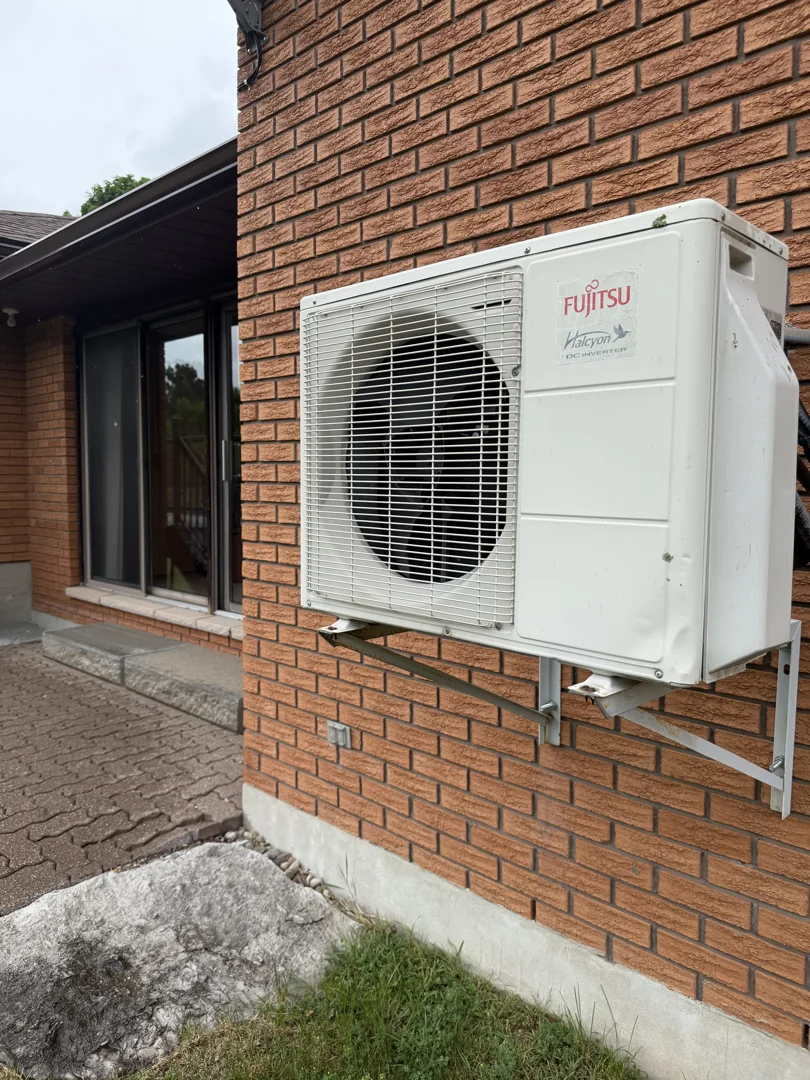
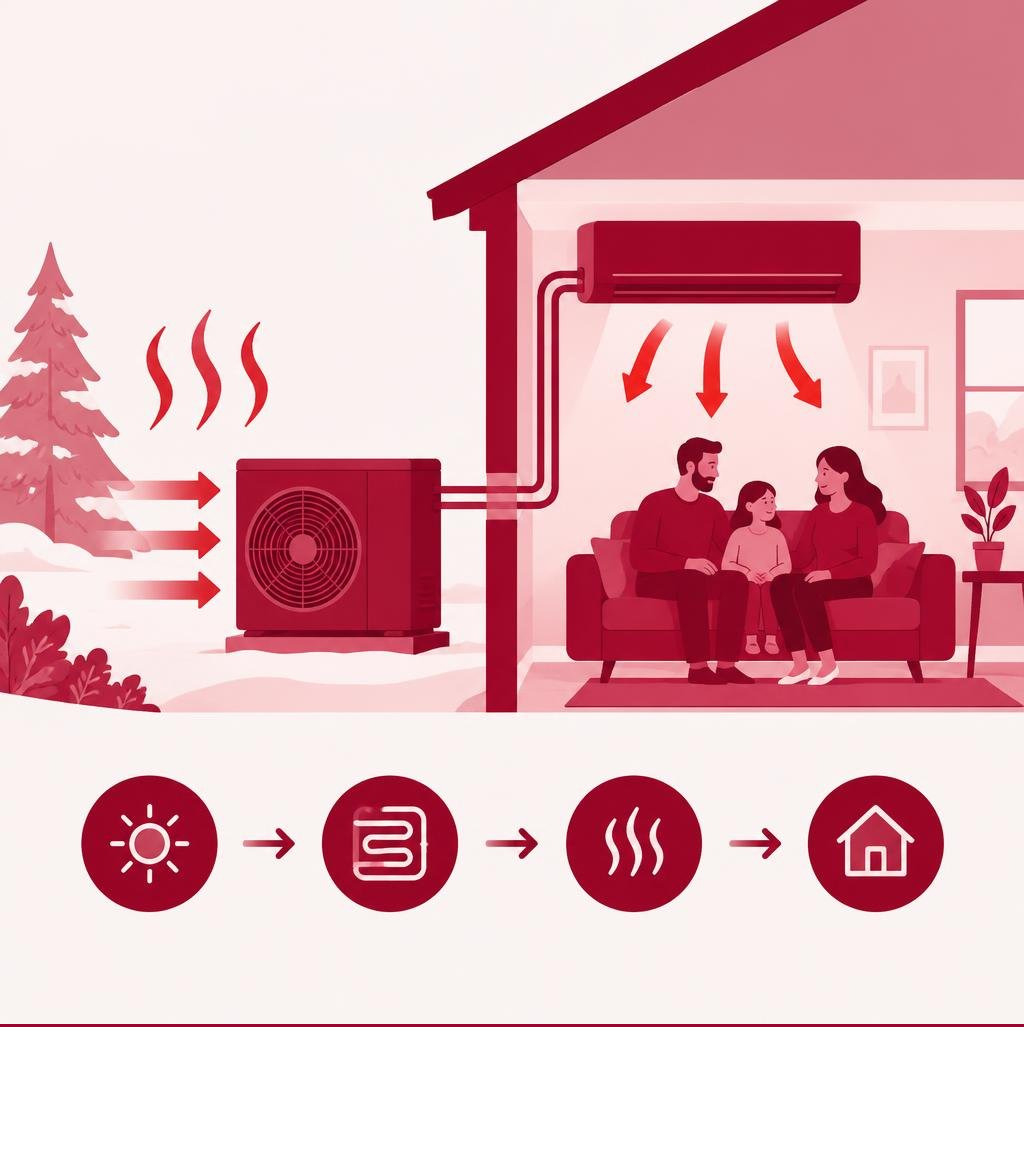
Modern heating systems utilize advanced reverse-cycle engineering to warm indoor spaces efficiently. Rather than generating heat directly through combustion, an outdoor heat pump extracts ambient thermal energy from outdoor air and moves it indoors. This thermodynamic process delivers reliable home heating even as outside temperatures drop during transitional seasons.
The system relies on an internal reversing valve that directs the flow of refrigerant. The outdoor coil absorbs heat from exterior air, allowing the compressor to pressurize the refrigerant vapor, significantly elevating its temperature. As the hot vapor travels to the indoor coil, it releases warmth directly into the living space or central ductwork.
The industry continues to transition toward low-GWP (Global Warming Potential) refrigerants such as R-32, replacing older compounds like R-410A. R-32 offers improved thermodynamic efficiency, reducing the overall environmental footprint of residential heating equipment. Multi-stage and variable-capacity compressors allow these systems to dynamically modulate their heating output, providing continuous warmth rather than harsh temperature fluctuations. For homeowners looking to understand whole-home heating applications, resources on heating with a heat pump from Natural Resources Canada highlight how these systems deliver substantial seasonal energy performance across diverse Canadian regions.
Understanding Supplemental Heating vs. Primary Heating Systems
When evaluating equipment, it is essential to distinguish between supplemental heating and primary heating systems. Compact room units (such as window or through-the-wall units) often rely on electric resistance elements or light-duty heating cycles designed strictly for shoulder-season use. These units frequently deliver a gentle 20 to 35 degree Fahrenheit supply-air temperature rise, making them ideal for taking the chill out of a single room during spring or autumn. However, their heating output often drops significantly when outdoor temperatures fall below 40 degrees Fahrenheit (4 degrees Celsius).
In contrast, central heat pumps and cold-climate ductless systems are engineered as true primary heating sources. They maintain heating capacity at significantly lower outdoor temperatures, utilizing advanced compression cycles and variable-speed motors to keep indoor spaces comfortable throughout deep winter freezes.
Comparing Inverter Heat Pumps to Packaged Heating Systems
Home architecture plays a key role when selecting between split-system inverter heat pumps and self-contained packaged heating units. In North American residential construction, traditional split systems represent approximately 85 percent of installations, whereas packaged systems make up roughly 10 to 15 percent.
A packaged heating unit houses all internal heating coils, air handlers, and compressors inside a single exterior cabinet. This configuration is particularly beneficial for slab-on-grade homes, properties with flat roofs, or residences without interior basement space or utility closets. Packaged units eliminate indoor equipment footprints entirely and offer convenient exterior service access. High-efficiency packaged systems feature sound blankets and vibration isolation grommets that keep operational sound levels as low as 69 decibels, ensuring outdoor comfort remains undisturbed.
Heating Efficiency Metrics: HSPF2 and Inverter Technology
Heating efficiency is measured through standardized industry ratings. HSPF2 (Heating Seasonal Performance Factor 2) is the critical benchmark for heating performance. A higher HSPF2 rating signifies greater efficiency in transferring thermal energy over the heating season.
Modern variable-speed inverter compressors are central to maximizing HSPF2 ratings. Unlike traditional single-stage systems that turn completely on and off, inverter compressors continuously adjust their rotational speed to match exact heating demands. This continuous modulation:
- Lowers electrical power consumption by avoiding heavy start-up current spikes.
- Delivers energy savings of 25 to 35 percent compared to standard baseline standards.
- Reduces indoor temperature swings, maintaining a steady, comfortable climate.
- Lowers indoor noise levels significantly, with select variable-speed systems operating as low as 45 decibels.
Modern heating systems integrate seamlessly with smart thermostats and mobile applications. Homeowners can establish automated setback schedules, monitor daily energy consumption, and manage room comfort remotely to ensure maximum heating performance.
Selecting and Maintaining Heating Systems for Cold Weather Performance
Choosing the right heating system requires calculating the exact heating load for your home. Undersized units run continuously without reaching the set temperature during severe cold spells, while oversized units cycle prematurely, reducing system lifespan. Sizing requires careful evaluation of floor area, ceiling height, insulation quality, and window exposure.
Sizing BTU Capacity and Electrical Requirements for Winter Heating
Heating capacity is expressed in British Thermal Units (BTUs). As a general guide for single spaces:
- 8,000 BTU systems generally warm areas up to 350 square feet.
- 12,000 BTU systems warm spaces up to 550 square feet.
- 14,000 to 18,000 BTU systems accommodate larger zones ranging from 700 to 1,000 square feet.
Electrical capacity is equally important when planning your heating setup. Lower-capacity heating units (such as 8,000 BTU models) often operate on standard 115-volt circuits, whereas units exceeding 12,000 BTU typically require dedicated 208-volt, 230-volt, or 240-volt electrical supplies with specific breaker amperage. Mismatched electrical panels or improper voltage wiring can lead to frequent breaker trips or equipment failure. If your current heating system displays erratic heating cycles, unusual electrical noises, or failing components, scheduling prompt heat pump repairs with qualified technicians ensures electrical safety and uninterrupted heating.
Why Professional Heating Maintenance Protects Your Investment
Routine maintenance is necessary to keep your heating equipment running efficiently through harsh Canadian winters. Neglected coils, restricted airflow, and declining refrigerant levels force the compressor to work harder, accelerating component wear and driving up monthly utility bills.
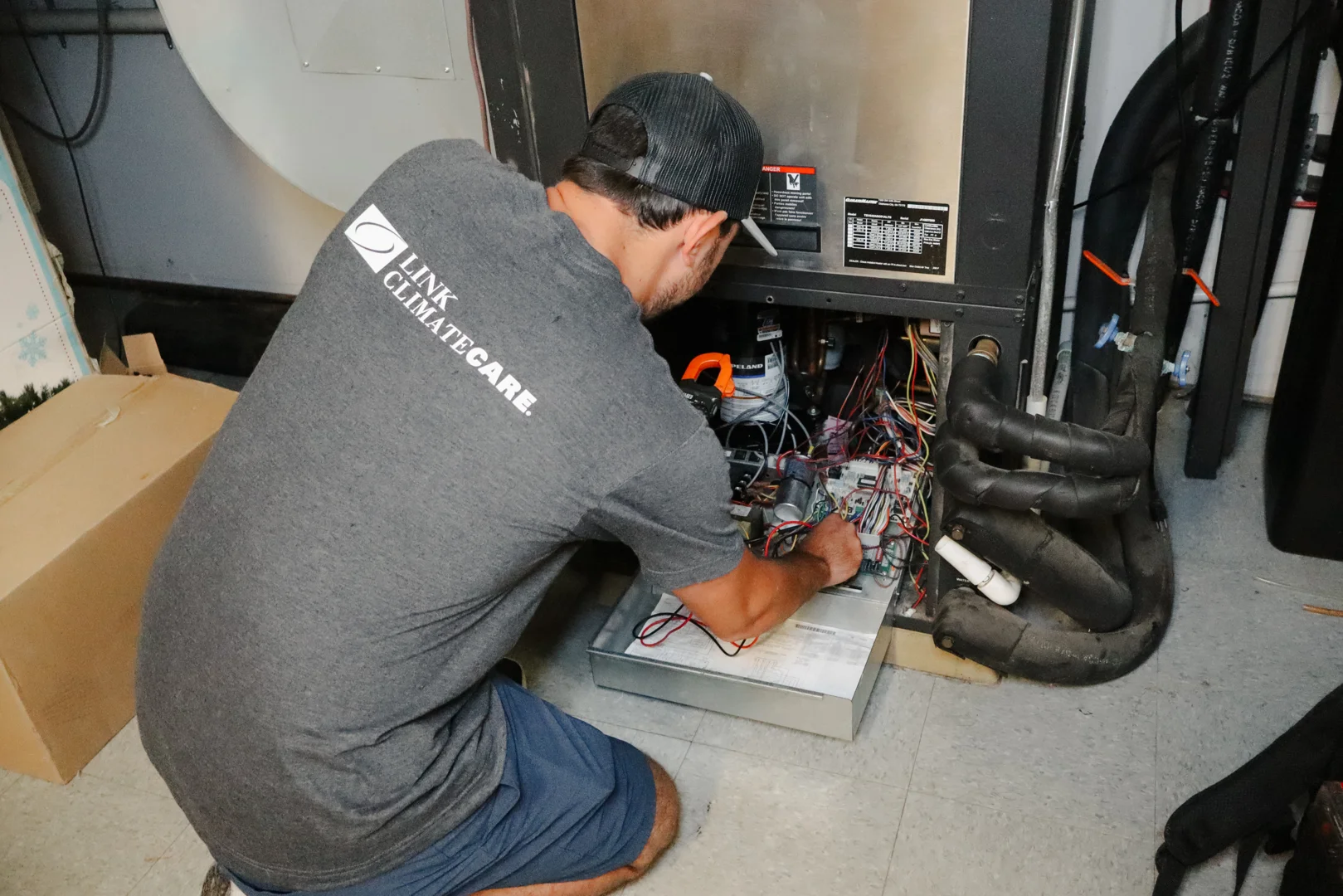
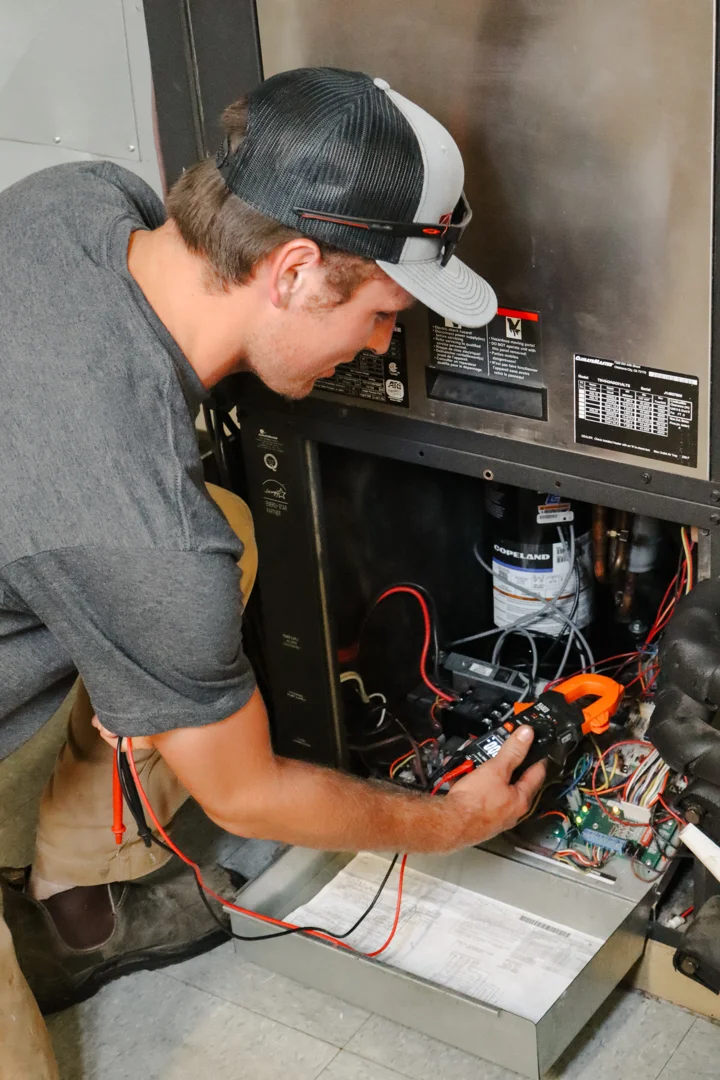
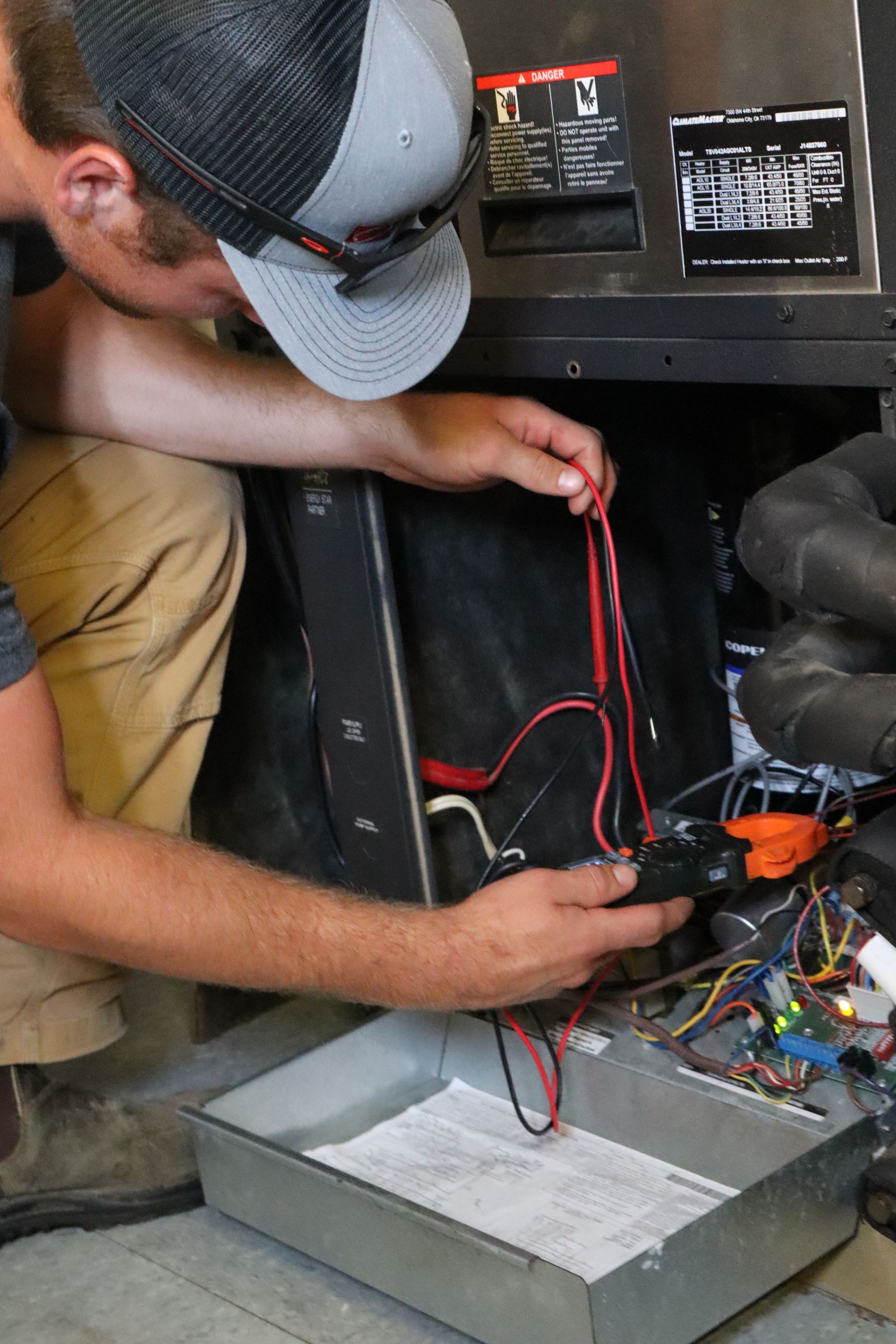
Our certified technicians at Link ClimateCare provide thorough heat pump maintenance designed for local climate demands. Our comprehensive multi-point inspections include:
- Cleaning outdoor and indoor coils to optimize heat absorption and distribution.
- Inspecting electrical connections, contactors, and dedicated circuit breakers for safety.
- Verifying accurate refrigerant charge and testing for system leaks.
- Checking blower motor operation, static airflow pressure, and duct seals.
- Testing thermostat communication, temperature rise, and safety controls.
Link ClimateCare is locally owned and proud to serve homeowners across Beaverton, Lindsay, Peterborough, and the entire Kawartha Lakes region. Backed by our 100 percent satisfaction guarantee and 24/7 emergency response, our team ensures your home stays warm and comfortable throughout the winter season. To schedule professional heating service or evaluate the best heating solution for your home, please contact our experienced team today.