Don't Ignore Your Furnace Heat Exchanger This Winter
How a Heat Exchanger Inspection Helps Keep Your Furnace Safe

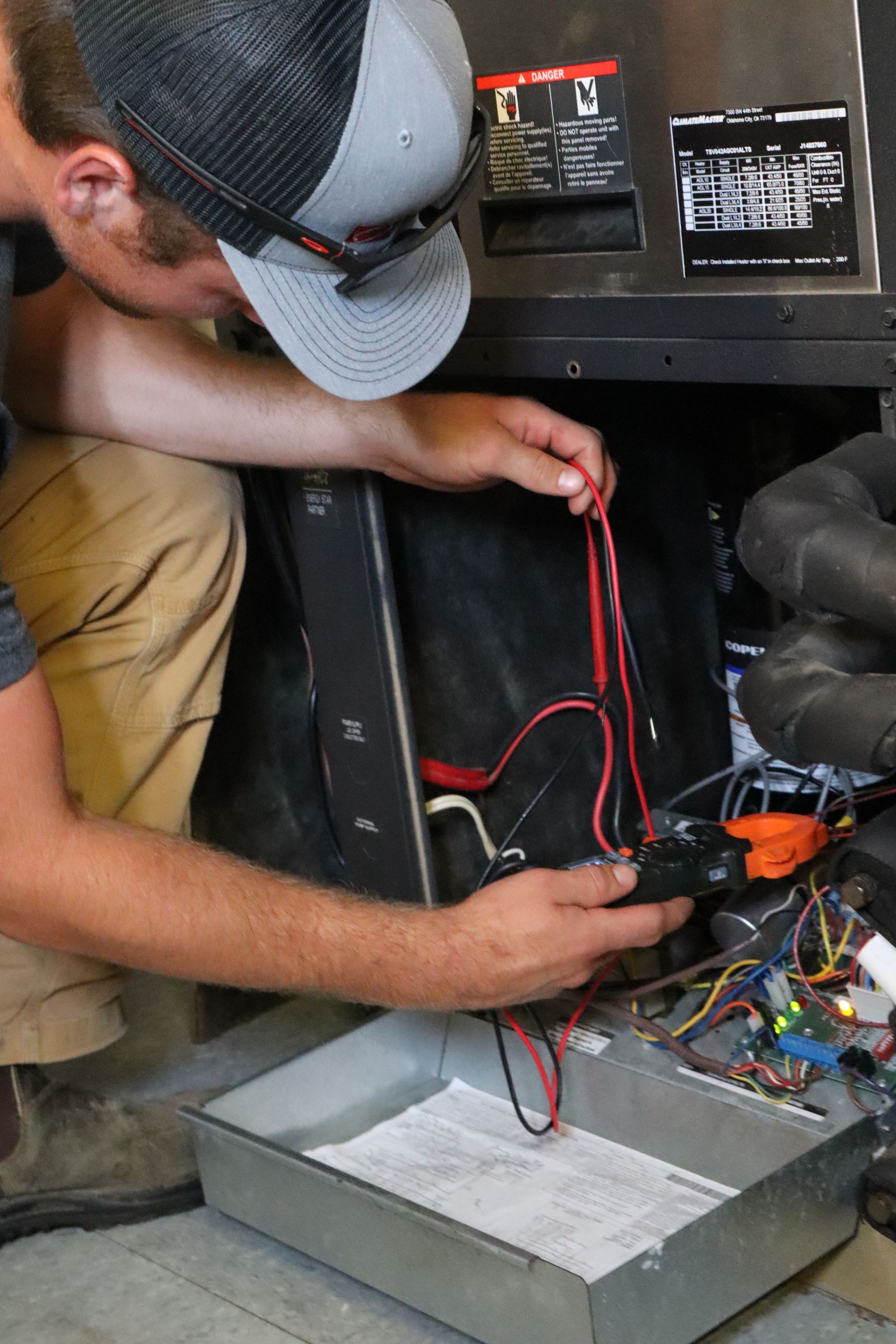
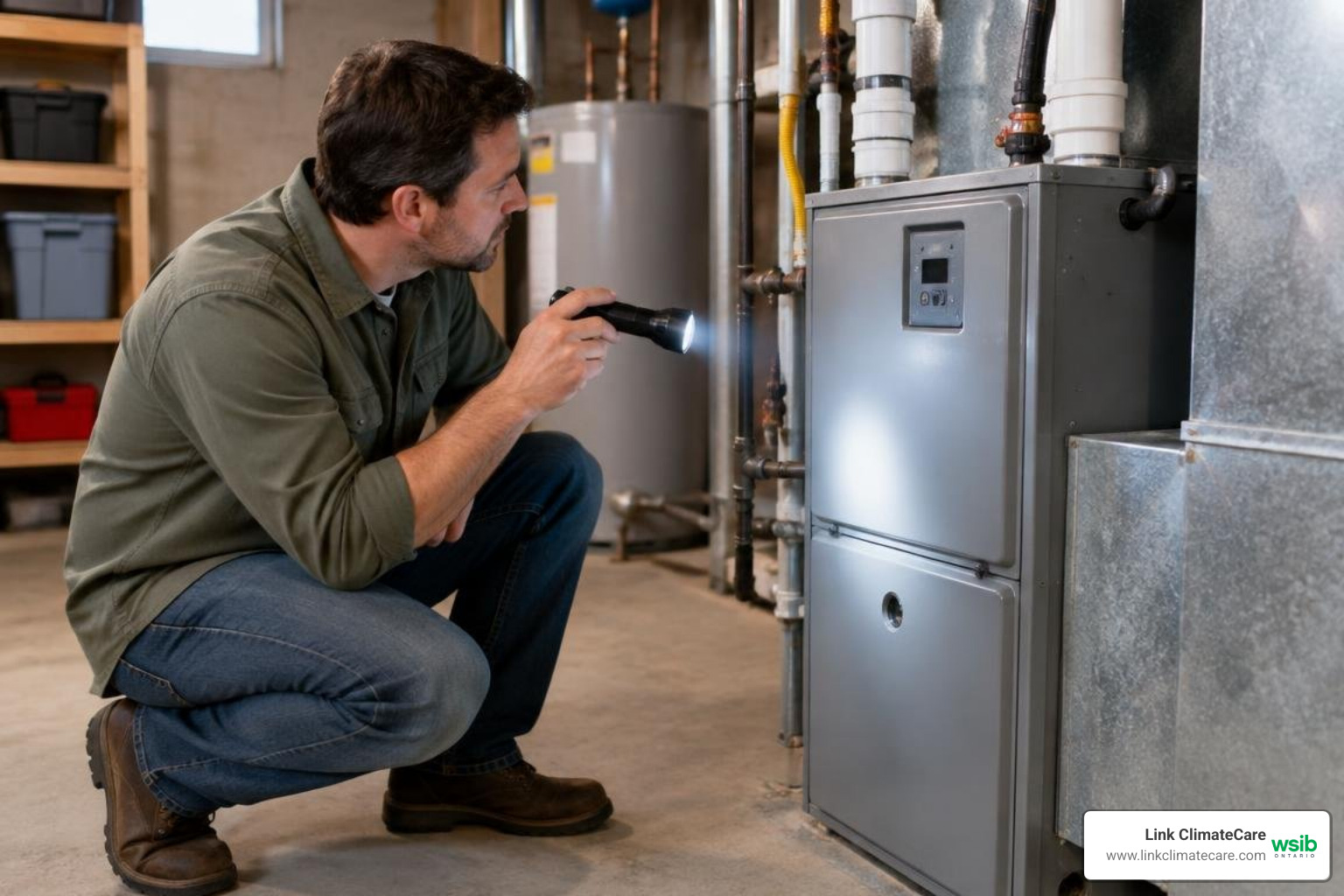
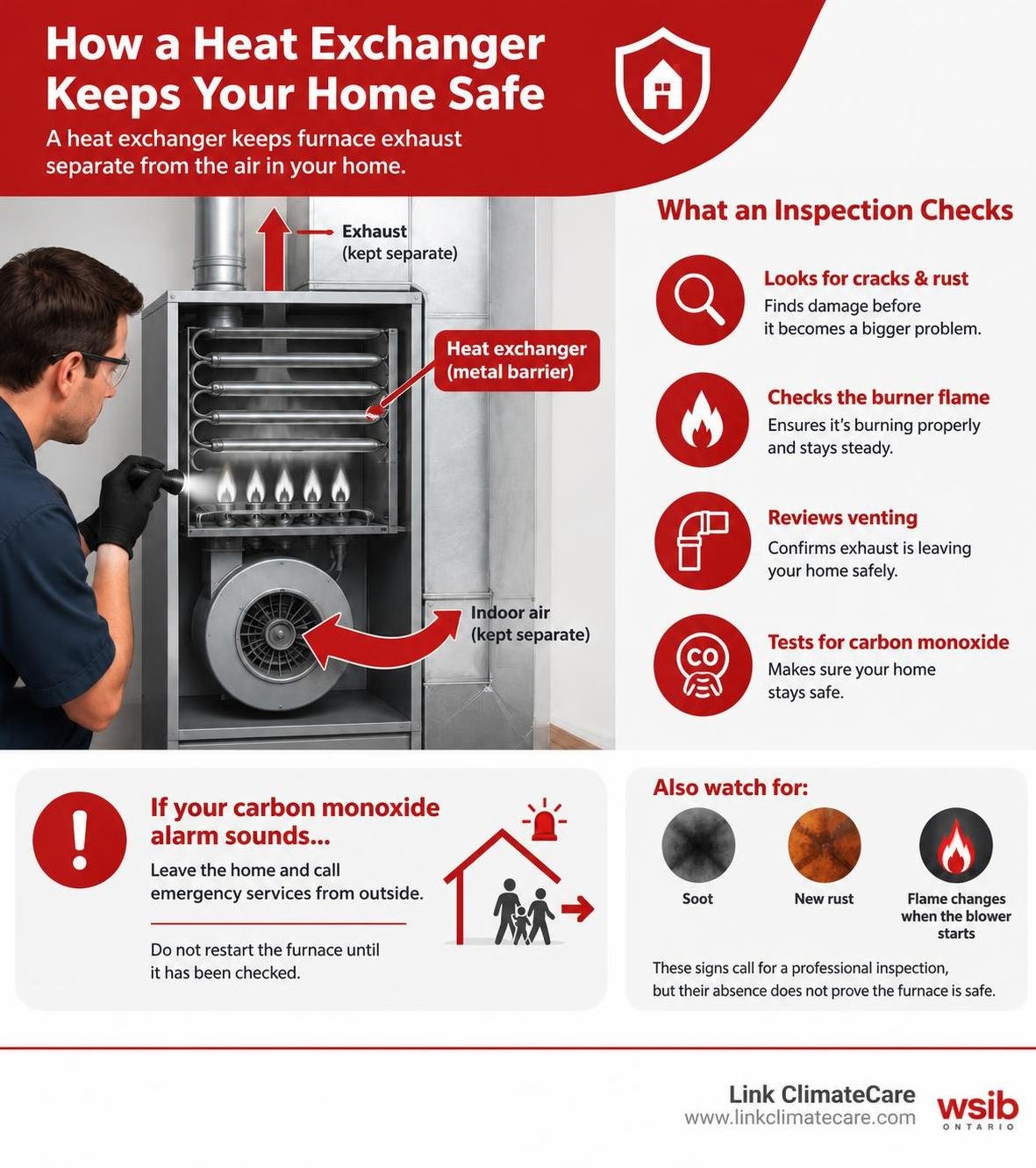
A heat exchanger inspection checks the metal barrier that keeps furnace exhaust separate from the air moving through your home. Before winter, have a qualified HVAC technician look for cracks and rust, check the burner flame and venting, and test for carbon monoxide. If your carbon monoxide alarm sounds, leave the home and call emergency services from outside. Do not restart the furnace until it has been checked.
You can also watch for soot, new rust, or a flame that changes when the blower starts. These signs call for a professional inspection, but their absence does not prove the furnace is safe.
Why Furnace Heat Exchangers Crack and Why It Matters
Your furnace relies on a delicate balance of physics and metallurgy. Fuel combusts inside the chamber, heating the interior walls of the heat exchanger. Meanwhile, your circulating blower pushes return air across the exterior surface, absorbing thermal energy and delivering warmth through your ducts. Because the metal expands every time the burners fire and contracts as it cools, it experiences thousands of thermal cycles each winter.
Over years of service, this continuous expansion and contraction leads to metal fatigue. If airflow across the unit becomes restricted—most commonly due to neglected, dust-clogged air filters or undersized return ductwork—the metal overheats. Trapped heat elevates internal stress, causing the thin metal walls to buckle, split along seams, or develop micro-fissures.
Corrosion also plays a destructive role. In modern high-efficiency condensing furnaces, combustion creates acidic moisture that must drain away smoothly. If internal condensation stagnates or drainage lines clog, acid pools inside the secondary cells, eating through the metal. Furthermore, internal fouling and mineral scale can reduce overall heating efficiency by up to 30%, forcing the system to run longer, consume excess fuel, and accelerate component breakdown.
When a heat exchanger fractures, toxic combustion byproducts—including carbon monoxide (CO), sulfur dioxide, and nitrogen oxides—can mix directly with your breathable air. Carbon monoxide is an invisible, odorless toxin that displaces oxygen in the bloodstream, leading to headaches, dizziness, nausea, and potentially fatal poisoning. Safeguarding your family's indoor air quality requires ensuring that ambient CO levels remain well below the OSHA maximum permissible threshold of 9 parts per million (ppm). In residential environments, our goal during testing is always a clean 0 ppm reading in the circulating supply air.
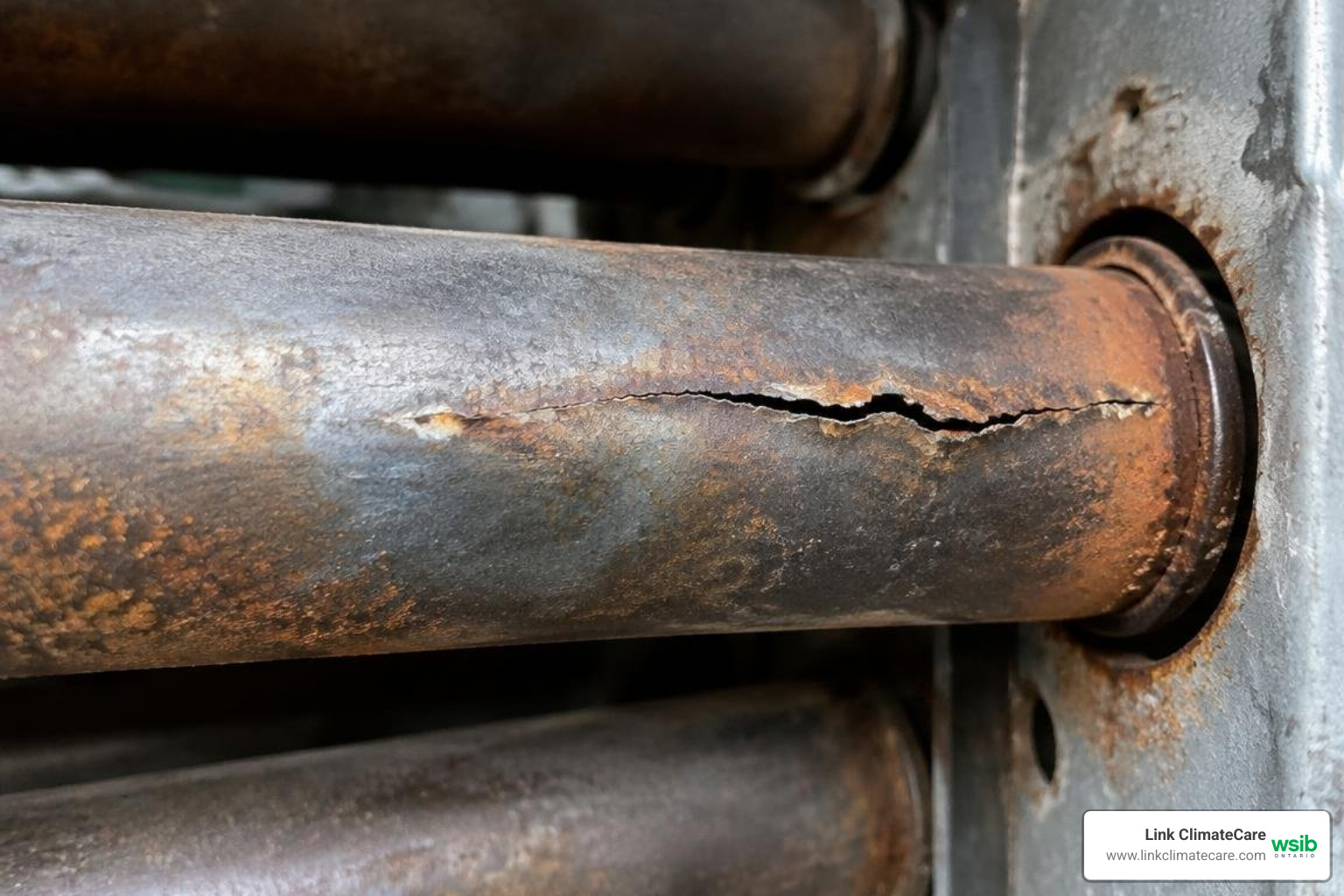
Visual Indicators That Trigger an Urgent Heat Exchanger Inspection
While many structural cracks hide deep inside internal curves, furnaces often give visible and auditory clues when their combustion chamber fails. Knowing what to watch for helps you identify when to turn off the thermostat and call for assistance:
- Flame Rollout or Disturbance: When the circulating blower turns on, air pressure outside the heat exchanger rises. If there is a crack, that air forces its way inside, causing the burner flames to flutter wildly or roll outward toward the front service panel.
- Yellow, Wavering Flames: A healthy natural gas or propane burner produces a steady, dark blue flame. A yellow or orange flame indicates incomplete combustion, often caused by inadequate primary air or altered chamber pressures.
- Soot and Carbon Accumulation: Black soot collecting on the burner doors, draft hood, or around viewing ports proves that fuel is burning inefficiently and exhausting improperly.
- Unusual Odors and Sounds: A sharp, burning metal smell or sulfur-like odor points to escaped flue gases. You might also hear a distinct popping or rattling sound as the metal expands over a fracture.
- Excessive Moisture and Rust: Heavy external rust streaks on the cabinet or standing water around the furnace base indicate severe condensation trapping that accelerates metal rot.
If you spot any of these warning signs, shut down your system immediately and book an urgent furnace repair to protect your home from hazardous gas leaks.
The Professional Heat Exchanger Inspection Process: Step-by-Step
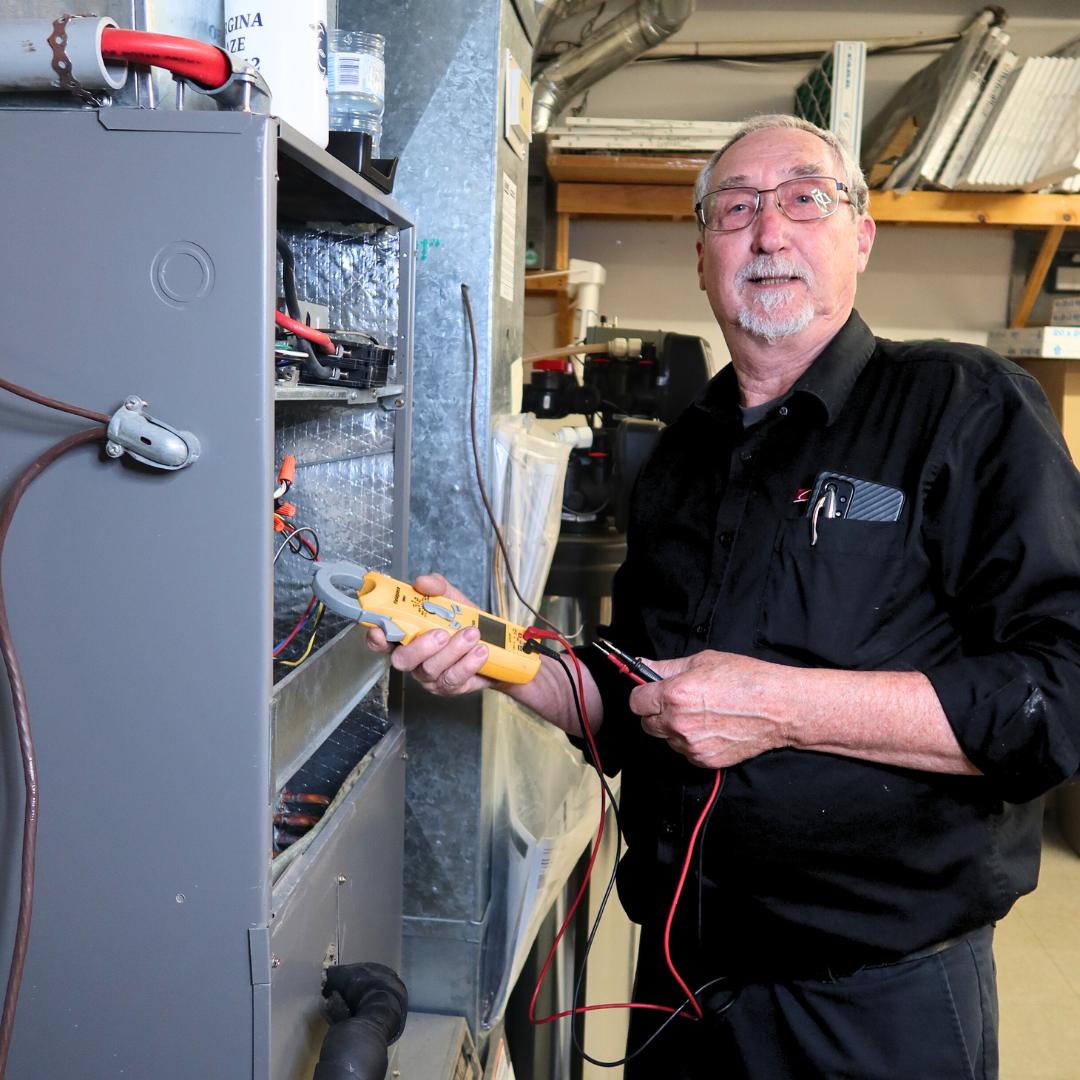
A thorough heat exchanger assessment is a specialized technical procedure requiring professional instruments and certified diagnostic protocols. We isolate the electrical supply and fuel line before inspecting the draft inducer motor, verifying static duct pressure, and testing electrical interlocks.
The Five-Step Method for Induced-Draft Furnaces
Because modern induced-draft furnaces operate with a negative pressure inside the heat exchanger, traditional testing methods can miss subtle structural breaches. Certified technicians utilize the standardized five-step method:
- Observe Flame Pattern at Blower Start: The technician watches the burner flame carefully as the main circulating fan engages. Any jumping, lifting, or sudden change in color indicates that air is pushing through a crack in the metal barrier.
- Establish Return Air Baseline: Using a calibrated flue gas and ambient analyzer with 1 ppm resolution, we measure the air entering the furnace to establish an accurate baseline.
- Measure Supply Air Stream: We insert testing probes into the main supply air plenum downstream of the furnace. Any rise in carbon monoxide above the return air baseline confirms that combustion gases are escaping into the ductwork.
- Sample Flue Pipe Concentrations: After the furnace runs for five continuous minutes, we take a stable reading inside the exhaust vent pipe. If the carbon monoxide level in the flue exceeds 200 ppm, combustion is abnormal, triggering an immediate shutdown and deeper structural assessment.
- Conduct Physical Teardown and Visual Audit: If testing reveals discrepancies, the technician disassembles the burner assemblies, high-limit switches, and blower compartments to directly examine internal cells with optical equipment.
Booking scheduled furnace maintenance each autumn ensures these diagnostic benchmarks are verified before freezing weather arrives.
How NDT Methods Enhance a Heat Exchanger Inspection
Technicians rely on advanced Non-Destructive Testing (NDT) to inspect commercial systems, residential boilers, and industrial heating plants without damaging the equipment.
- High-Definition Articulating Borescopes: Flexible, illuminated camera probes navigate tight bends and secondary condensing coils, transmitting high-resolution video of hidden internal seams.
- Infrared Thermography: Thermal imaging cameras highlight uneven surface temperature profiles, instantly pinpointing hotspots caused by internal soot accumulation or localized wall thinning.
- Ultrasonic Thickness Gauging (UT) & IRIS: Ultrasonic sensors measure remaining wall thickness with precision down to fractions of a millimeter, identifying corrosion long before metal breaks through.
- Eddy Current Testing (ECT): By creating localized electromagnetic fields, ECT scans non-ferrous tubes up to three to four times faster than ultrasonic tools, uncovering tiny surface cracks and support plate wear.
- Magnetic Flux Leakage (MFL) & Remote Field Testing (RFT): For carbon steel and ferrous tubing, magnetic testing methods identify pitting, erosion, and thinning across thousands of tubes in large industrial systems.
- Liquid Dye Penetrant Inspection: Technicians apply specialized dyes to suspicious weld joints and tubesheets to reveal hairline cracks that remain invisible to the naked eye.
Reviewing advanced heat exchanger tube inspection methods demonstrates how these electromagnetic and ultrasonic tools prevent unplanned outages across complex industrial and commercial heating systems.
Comparing Heat Exchanger Types and Failure Mechanisms
Heat transfer equipment operates across diverse residential, commercial, and industrial settings. Understanding how different designs fail helps technicians choose the proper inspection tools.
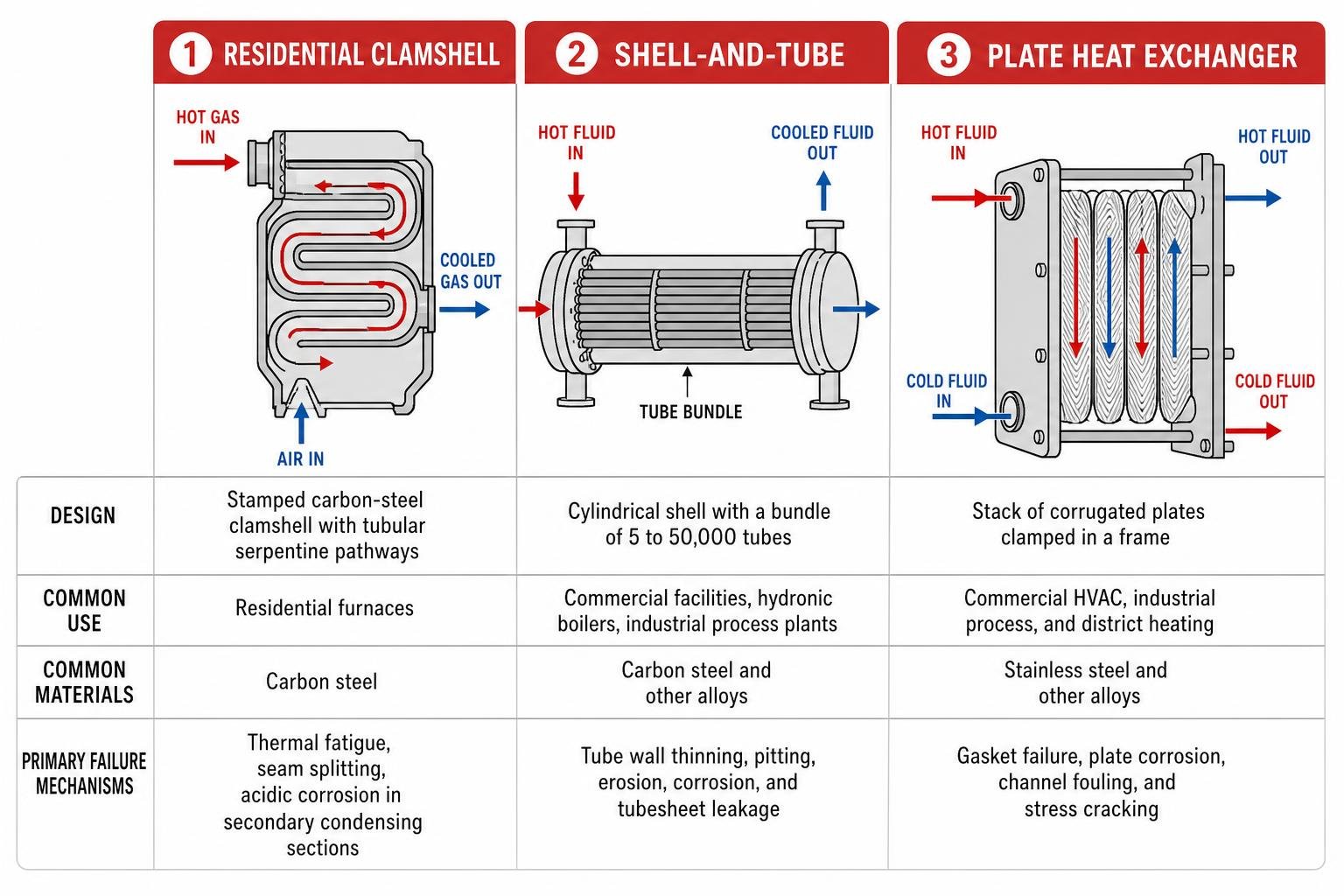
Residential furnaces typically feature stamped carbon-steel clamshells or tubular serpentine pathways. These cells fail primarily from thermal fatigue, seam splitting, or acidic corrosion within secondary condensing sections.
In contrast, commercial facilities, hydronic boilers, and industrial process plants utilize shell-and-tube, plate, or air-cooled fin-fan exchangers. These larger designs contain bundles with anywhere from five to 50,000 tubes. When technicians roll tubes into tubesheets during assembly, ASME standards require wall thickness reduction to stay strictly between 5% and 8% to ensure a strong mechanical seal without over-stressing the metal. If periodic NDT scans reveal that more than 10% of the tubes have reached their operational rejection limit, or if sectioning confirms that wall thickness has worn down to half of its original nominal value, full bundle retubing becomes mandatory under safety codes.
Technicians also consider material properties when evaluating equipment. Non-ferrous alloys like copper, brass, and Inconel pair best with multi-frequency eddy current probes. Ferrous materials, such as carbon steel, require magnetic saturation tools like RFT and MFL to penetrate the magnetic metal walls.
Homeowner Maintenance and Preventive Best Practices
While evaluating combustion chambers requires specialized instruments, homeowners play a vital role in preventing heat exchanger stress throughout the winter.
Simple seasonal habits protect your equipment and improve comfort:
- Maintain a Strict Filter Schedule: Check your furnace filter every 30 days and replace it promptly. A dirty filter chokes return airflow, quickly overheating the heat exchanger.
- Keep Return and Supply Vents Clear: Ensure furniture, drapes, and rugs never block heating grilles. Closing too many vents increases static duct pressure, stressing internal components.
- Install Digital Carbon Monoxide Detectors: Place certified CO alarms on every level of your home, especially near sleeping areas. Models with digital ppm readouts alert you to low-level gas buildup before it reaches dangerous levels.
- Inspect Exterior Vent Terminals: Check that exterior intake and exhaust pipes remain free of snow, drifting leaves, and ice dams all winter long.
Investing in reliable home heating care and booking annual equipment maintenance ensures your entire system operates cleanly, efficiently, and safely through the coldest months.
Frequently Asked Questions About Heat Exchanger Inspections
How often should a heat exchanger inspection be performed?
A professional furnace check should be performed once per year, ideally in early autumn before firing up the heating system. Annual service satisfies manufacturer warranty terms and catches metal fatigue early. High-demand commercial and industrial heating systems may require quarterly or semiannual testing depending on their operating hours and chemical exposure.
What carbon monoxide level indicates a compromised heat exchanger?
In a residential heating system, the target carbon monoxide reading in your circulating supply air registers is 0 ppm. The absolute maximum acceptable indoor threshold defined by OSHA is 9 ppm. When testing flue gas inside the exhaust vent pipe, any reading of 200 ppm or higher indicates severe incomplete combustion, requiring immediate shutdown and thorough physical evaluation.
Can a cracked heat exchanger be repaired or must it be replaced?
A cracked residential heat exchanger cannot be welded, patched, or glued. Safety codes and technical standards strictly prohibit field patching because the high thermal expansion and contraction cycles will quickly cause welds or epoxy to fail, creating dangerous gas leaks. Once a cell cracks, the entire heat exchanger assembly or the whole furnace must be replaced by a licensed professional.
Conclusion
Your furnace heat exchanger works silently behind the scenes all winter, keeping your home warm while safely expelling toxic combustion byproducts outdoors. Metal fatigue, rust, and restricted airflow can compromise this barrier, turning a reliable heating system into an efficiency drain and a safety hazard. Proactive seasonal care gives you total peace of mind when winter temperatures plunge.
Our certified technicians deliver complete heating peace of mind across Beaverton, Lindsay, Peterborough, and the entire Kawartha Lakes region. Backed by 24/7 emergency response and a 100% satisfaction guarantee, we keep your heating systems running safely and reliably. Browse our comprehensive home heating and HVAC guides for more expert tips, or contact our team today to schedule your annual heating tune-up.