Furnace Short Cycling: Step-by-Step Diagnostic Routine for Homeowners
Why Furnaces Short Cycle and How Link ClimateCare Diagnoses the Problem
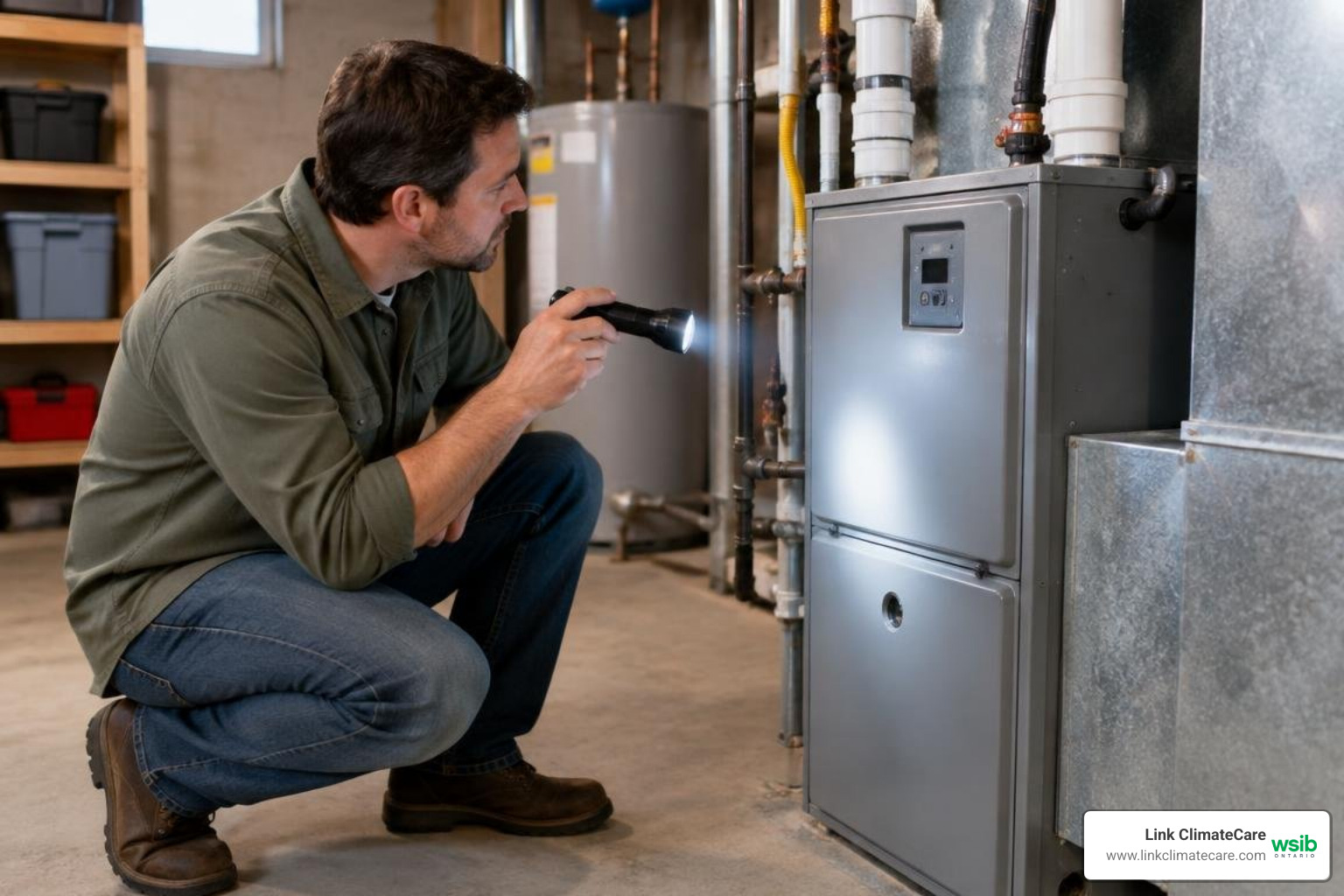
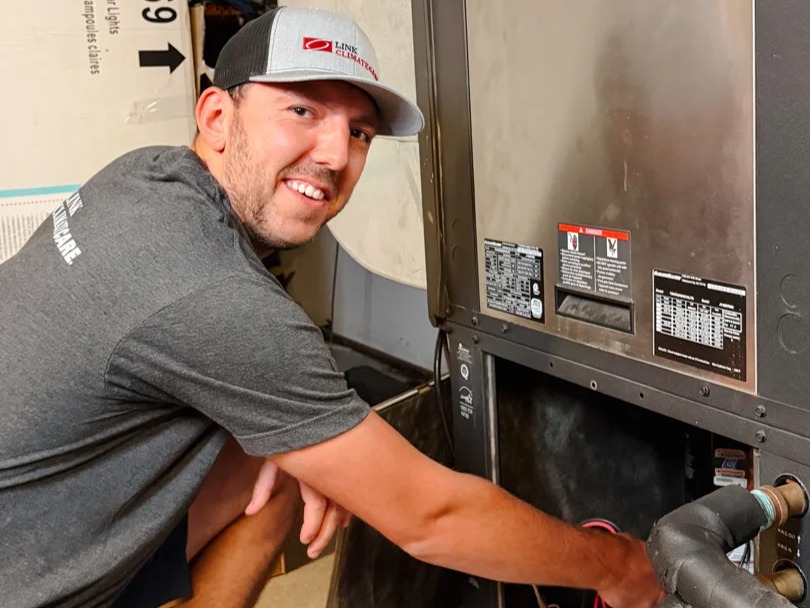
When a furnace starts and stops repeatedly, often after running for less than 5 to 10 minutes, it is short cycling. The result can be cold rooms, uneven temperatures, and extra strain on the heating system. While a dirty air filter or blocked vent can sometimes be involved, furnace short cycling repair is best handled through professional diagnosis by Link ClimateCare. Our technicians inspect the system, identify the underlying cause, and make the necessary repairs safely.
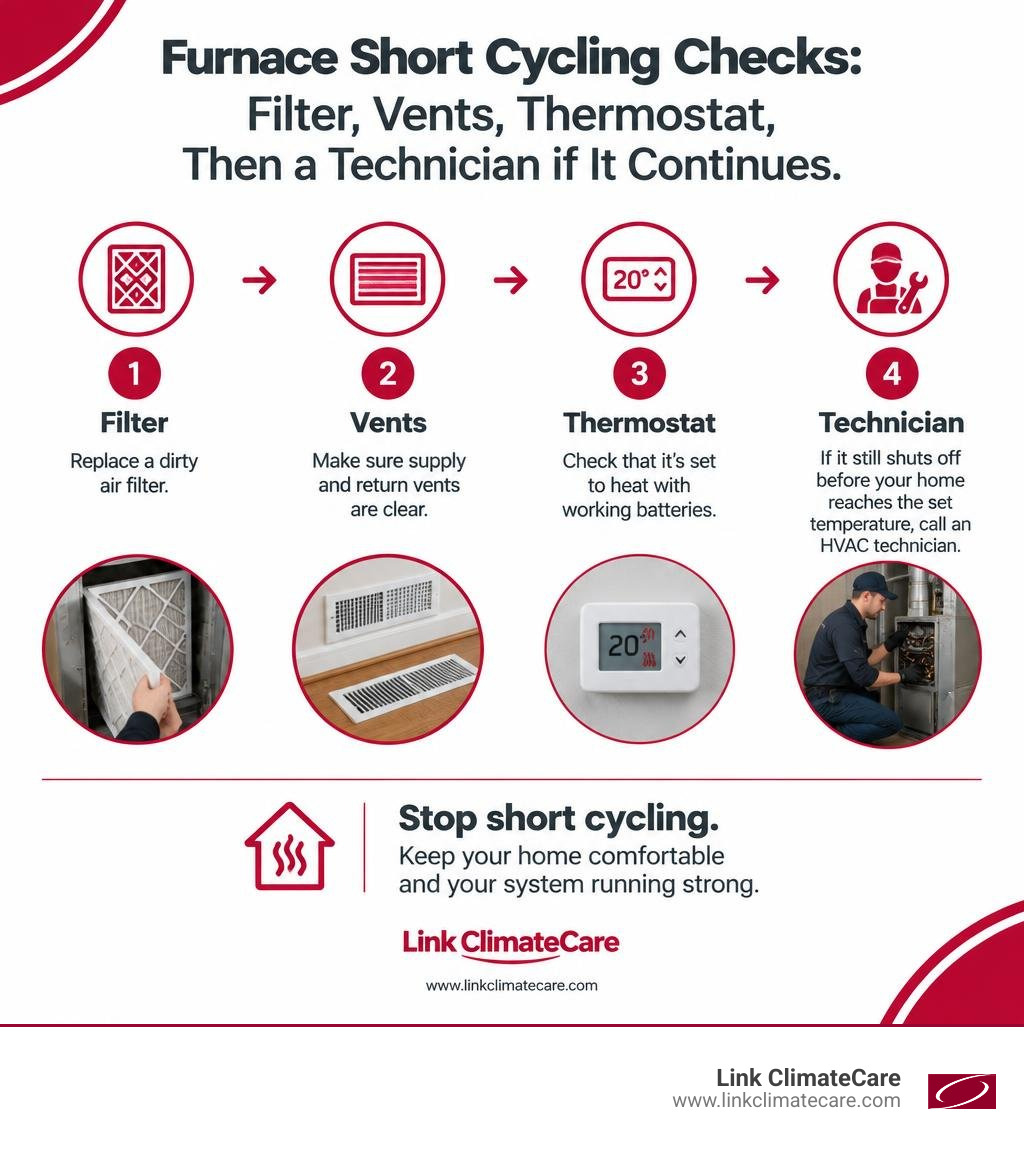
If your furnace shuts off before your home reaches the set temperature, contact Link ClimateCare for service. Do not bypass a safety switch or keep resetting the furnace. If a carbon monoxide alarm sounds, leave the home and call emergency services.
What Is Furnace Short Cycling and Why Is It Dangerous?
When a heating system functions properly, it runs in predictable, steady cycles. A typical residential heating cycle lasts between 10 to 20 minutes, allowing warm air to circulate evenly throughout your home until the ambient temperature matches your thermostat setting.
Short cycling occurs when your heating unit turns on, fires for a brief burst—often less than 5 to 10 minutes—and abruptly shuts down before satisfying the thermostat. After a short rest, the system tries again, repeating this rapid on-and-off sequence indefinitely. It acts like an engine caught in a constant loop of starting and stalling, which prevents steady-state operation and drives up utility bills due to continuous electrical startup surges.
Aside from spiking energy costs and leaving your home unevenly heated, persistent short cycling poses significant mechanical and safety hazards. Modern heating units are built with sensitive safety switches designed to protect your home. When internal temperatures spike or exhaust gases fail to vent, the high limit switch or rollout switch cuts power to the burners to prevent a catastrophic failure.
If these internal safety mechanisms are repeatedly triggered:
- Heat Exchanger Stress: Constant rapid heating and cooling causes metal components to expand and contract excessively. Over time, this thermal stress can lead to hairline fractures in the heat exchanger.
- Carbon Monoxide Risks: A cracked heat exchanger allows toxic combustion byproducts, including carbon monoxide (CO), to escape the sealed combustion chamber and enter your living areas.
- Premature Component Burnout: The blower motor, ignitor, and draft inducer motor suffer severe electrical and physical wear from continuous restarting, drastically shortening equipment lifespan.
Professional Diagnostic Routine for Furnace Short Cycling
When a furnace shuts off prematurely, a professional diagnostic visit from Link ClimateCare can determine whether the issue is a simple operational restriction or a problem requiring more involved technical service. Our technicians inspect the system, test key components, and recommend the right repair.
Airflow Assessment and Furnace Short Cycling Repair
Restricted airflow is one of the most common causes of rapid shutdowns. A heating system relies on a steady volume of return air passing over the heat exchanger to absorb thermal energy and deliver it into your living spaces.
When airflow becomes choked:
- Heat cannot escape the internal cabinet fast enough.
- The internal temperature quickly exceeds safe operational limits.
- The high-temperature limit switch detects this overheating and shuts down the burners to prevent damage.
- The blower fan continues running to cool the system down. Once the temperature drops, the system attempts to reignite, repeating the short cycle.
During a service call, a Link ClimateCare technician may check:
- Air Filter Condition: A clogged or dust-caked filter creates high static pressure in the ductwork. We recommend having 1-inch filters checked monthly and replaced every 1 to 3 months, or at least twice a year in homes with pets or high dust levels.
- Supply and Return Registers: Closed or blocked registers can restrict airflow, elevate internal pressure, and trip the high limit switch. Our technicians can confirm that supply and return grilles are open, clean, and unobstructed by furniture, drapes, or rugs.
- System Cleanliness: Keeping internal blower wheels and coils clean through regular furnace maintenance helps maintain proper static pressure and prevent high-limit lockouts.
Thermostat Calibration and Placement Checks
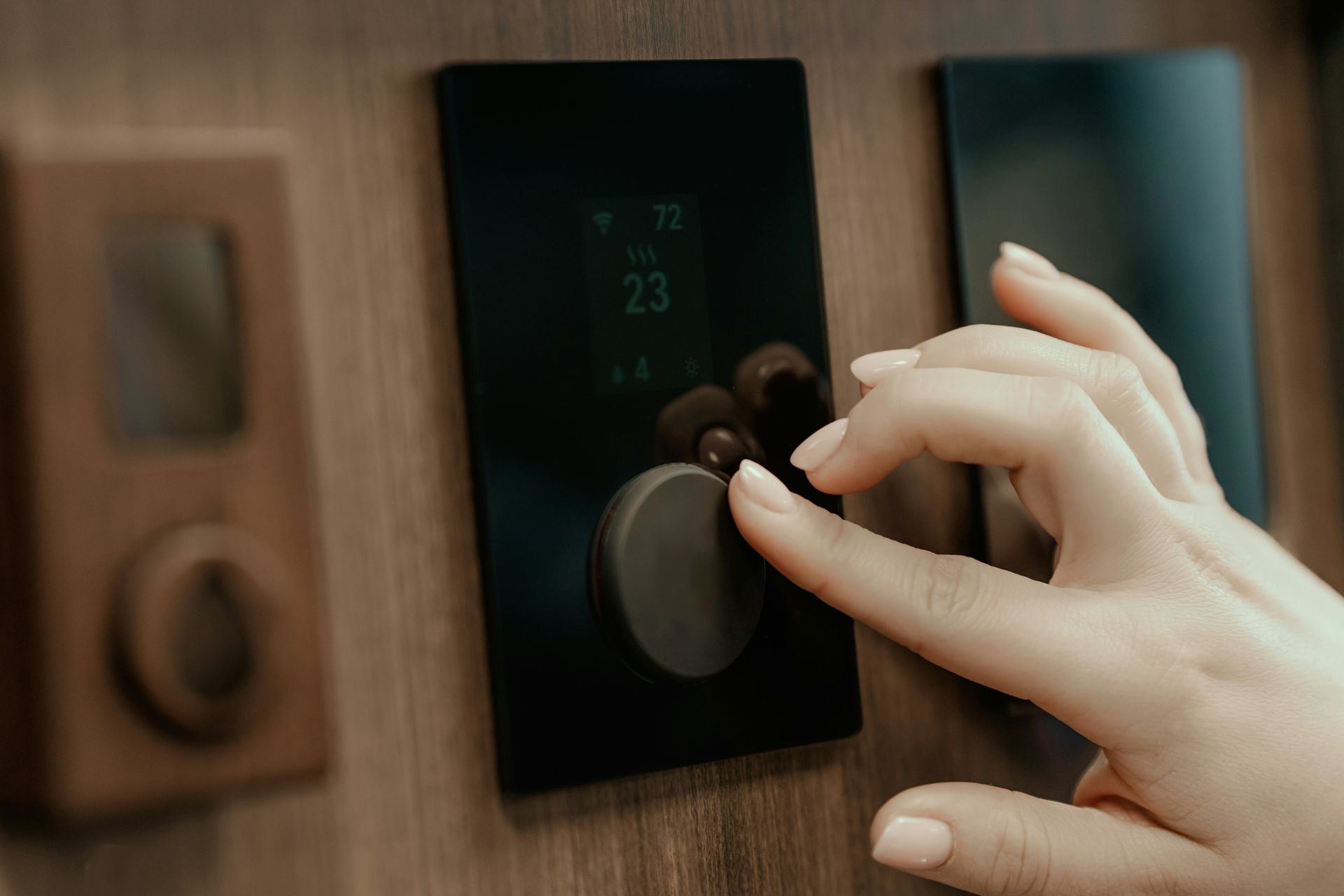
Your thermostat serves as the central control for your heating system. If it misreads the room temperature, it sends inaccurate start and stop signals to the control board.
Common thermostat issues that can mimic mechanical failure include:
- Poor Placement: Thermostats installed in direct sunlight, directly above supply registers, or near heat-generating appliances such as ovens and lamps can read false high temperatures and shut off heating cycles prematurely.
- Dying Batteries: Weak batteries in digital thermostats can disrupt internal relays, causing intermittent communication loss with the heating unit.
- Outdated Settings or Loose Wiring: Loose terminal connections or misconfigured cycle-rate settings can prompt rapid cycling across both forced-air units and auxiliary systems. If you have a dual-fuel setup or split system, similar symptoms can affect heat pump repairs or require diagnosing rapid on-off cycles across heating and cooling modes.
Furnace Sizing and Capacity Evaluation
If airflow and controls are in working order yet rapid cycles persist, the equipment itself may be improperly sized for your home. Bigger is not always better when it comes to heating capacity.
An oversized system produces large amounts of heat too quickly. It blasts hot air into the rooms nearest the unit, rapidly satisfies the thermostat sensor within minutes, and shuts off before heat can distribute evenly to outer rooms. This creates noticeable temperature swings, cold drafts, and severe equipment fatigue.
According to the U.S. Department of Energy, heating equipment should never be chosen using generic rules of thumb. Professional HVAC contractors use detailed calculations, such as the ACCA Manual J load calculation, which accounts for:
- Home square footage and ceiling height
- Insulation values in walls, floors, and attics
- Window efficiency, orientation, and solar heat gain
- Air infiltration rates and local climate dynamics
When replacing an oversized or aging system, upgrading to a properly sized, high-efficiency furnace ensures steady, even heat delivery, balanced runtimes, and reduced monthly energy costs.
Advanced Mechanical Checks and Furnace Short Cycling Repair
When basic airflow and thermostat checks do not resolve the issue, internal mechanical and electrical components require professional assessment. Modern heating systems incorporate multiple safety mechanisms that shut the burners off if combustion conditions are unsafe.
Flame Sensor Cleaning for Furnace Short Cycling Repair
The flame sensor is an essential safety component that confirms an active flame is present once the gas valve opens. It operates via flame rectification: the sensor rod sits directly in the burner flame, generating a microscopic electrical current (measured in microamps) that travels back to the main control board.
If this circuit is broken:
- The control board assumes the gas failed to ignite.
- To prevent raw gas from pooling inside your home and causing an explosion hazard, the board shuts the gas valve off within 2 to 4 seconds of ignition.
- Over seasons of normal use, burning fuel leaves microscopic carbon deposits and silica oxidation across the metal sensor rod.
- This non-conductive layer insulates the rod, blocking the microamp current even when a robust flame is present.
During a professional tune-up, our technicians test this microamp signal, safely clean oxidation from the sensor rod using an ultra-fine abrasive pad, or install an exact OEM replacement if the ceramic housing has cracked.
Draft Inducer Motor and Pressure Switch Diagnostics
Before any fuel is ignited, your heating system must prove that toxic combustion gases will safely exhaust to the outdoors. The draft inducer motor is a small blower assembly that draws air through the combustion chamber and pushes flue gases out through the exhaust pipe.
A sensitive pressure switch monitors this airflow:
- If the inducer motor fails to reach proper operating speed,
- If the pressure switch sensing tube becomes clogged with condensation,
- Or if the exterior exhaust pipe is obstructed by ice, bird nests, or leaves,
the pressure switch contacts will remain open. The control board interprets this open circuit as a venting failure and terminates the cycle immediately, locking the unit out to protect your family from carbon monoxide buildup.
When to Call a Technician for Professional Heating Diagnostics
While replacing an air filter is a straightforward homeowner task, diagnosing complex electrical, venting, and combustion problems requires certified tools and specialized training. Attempting to bypass safety switches or adjust gas pressures without professional equipment creates severe fire and health hazards.
You should contact our licensed HVAC technicians immediately if:
- The system enters an automatic safety lockout (indicated by flashing diagnostic LED codes on the control board).
- You hear persistent clicking, buzzing, or grinding sounds from the inducer or blower motors.
- The circuit breaker for your heating system frequently trips.
- You detect any unusual burning odors, chemical smells, or the distinct scent of gas.
- Your carbon monoxide alarm activates (evacuate the premises before calling for help).
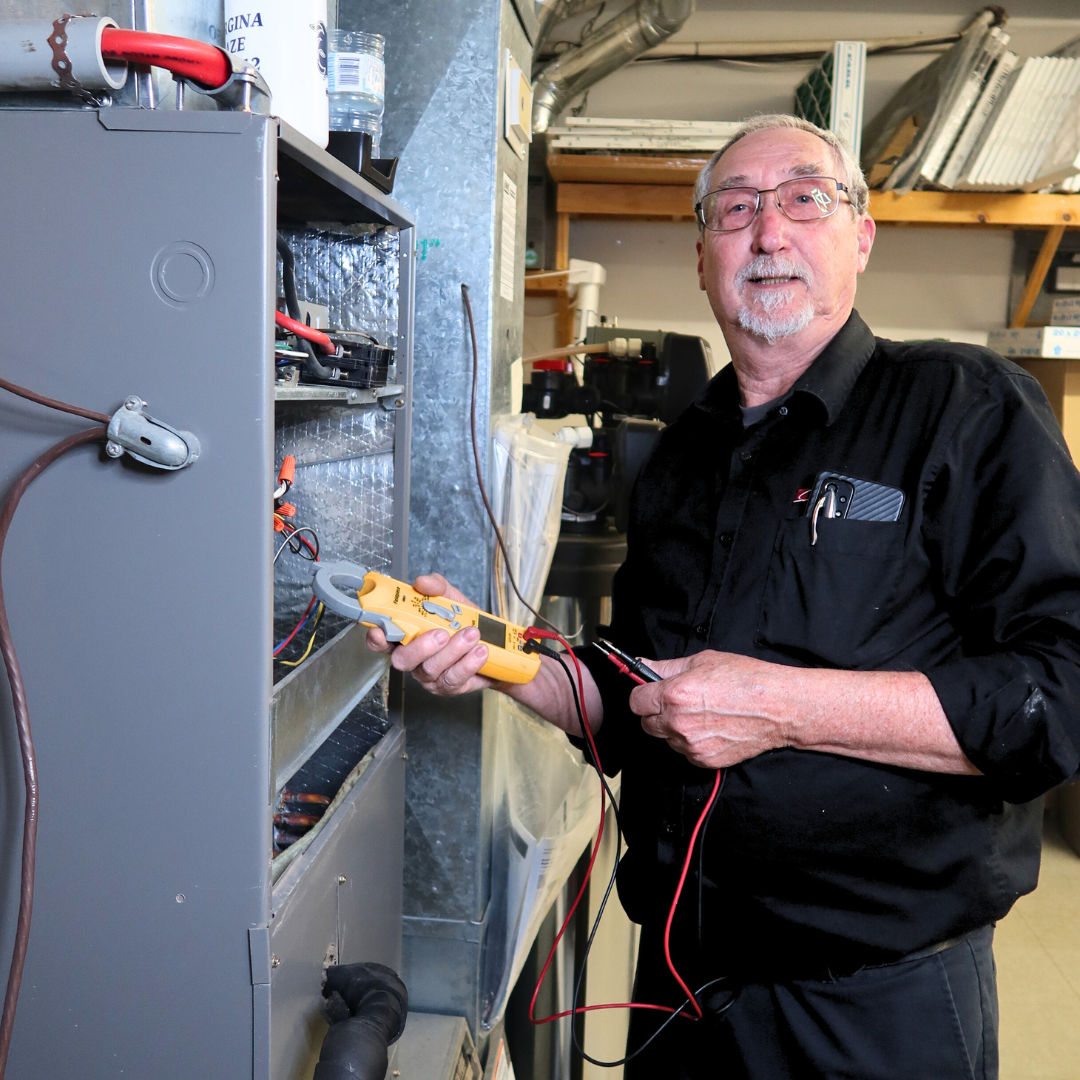
Professional diagnostics include checking gas manifold pressure, inspecting the integrity of the heat exchanger with specialized cameras, performing electrical continuity tests, and conducting combustion analysis to verify safe venting.
Enrolling in regular maintenance ensures these mechanical parts are inspected, adjusted, and cleaned before the deep winter freeze sets in. If a breakdown occurs unexpectedly, our team provides responsive furnace repair backed by a 100% satisfaction guarantee.
Frequently Asked Questions About Furnace Short Cycling
What is considered short cycling for a residential furnace?
Short cycling occurs when a heating system shuts off after running for less than 5 to 10 minutes, repeatedly turning on and off several times in an hour. Under normal conditions, a properly sized heating system runs for 10 to 20 minutes per cycle, allowing it to reach optimal efficiency and heat your entire living space evenly.
Can a dirty air filter cause a furnace to turn off after five minutes?
Yes. A dust-choked filter restricts airflow into the system, causing heat to build up rapidly inside the internal heat exchanger. When temperatures spike past safe operating limits, the high limit switch triggers an emergency shutdown to prevent component melting or fire hazards, leaving the blower running while the burners shut off prematurely.
Is furnace short cycling an immediate safety hazard?
While a brief period of short cycling caused by a clogged filter is not an instant emergency, ignoring the problem is dangerous. Chronic short cycling creates excessive thermal stress that can crack the heat exchanger, potentially leaking poisonous carbon monoxide into your home. It also strains internal electrical components, leading to sudden winter breakdowns and costly repairs.
Conclusion
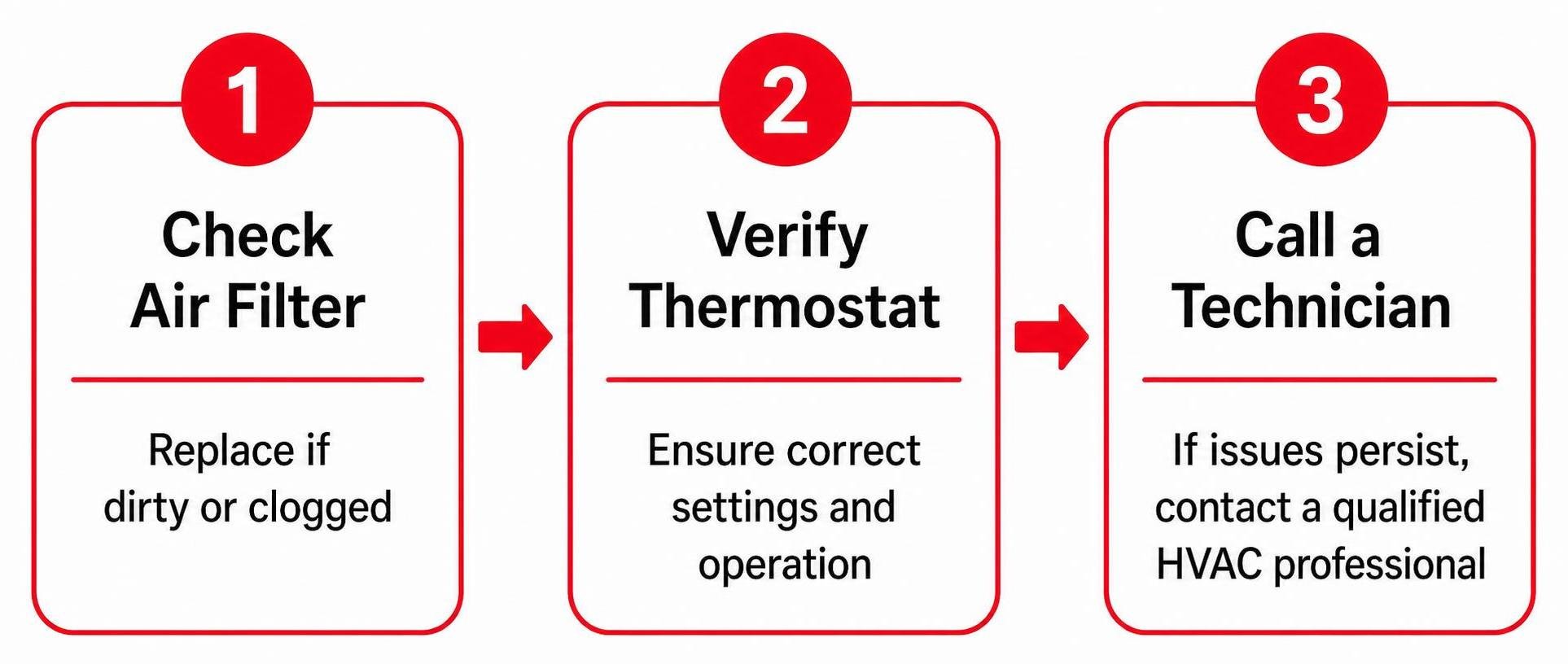
A heating system that turns on and off too quickly wastes energy, accelerates wear and tear, and leaves your home cold and uncomfortable. By keeping air filters fresh, ensuring supply registers remain unobstructed, and verifying thermostat settings, you can resolve the most common airflow-related cycling problems.
When electrical failures, faulty sensors, or venting blockages disrupt your comfort, professional intervention is the safest and most reliable solution. At Link ClimateCare, we bring decades of hands-on local experience to homeowners across Beaverton, Lindsay, Peterborough, and the entire Kawartha Lakes region.
Whether you need rapid emergency service, seasonal preventative tune-ups, or expert boiler repair and comprehensive heating services, our certified technicians provide prompt, dependable solutions backed by our 100% satisfaction guarantee and 24/7 emergency response. Reach out to our friendly team today to restore reliable, safe, and energy-efficient comfort to your home.