Why Your Furnace Shuts Down Prematurely and When to Call Link ClimateCare
Furnace Limit Switch Repair: When to Call a Professional

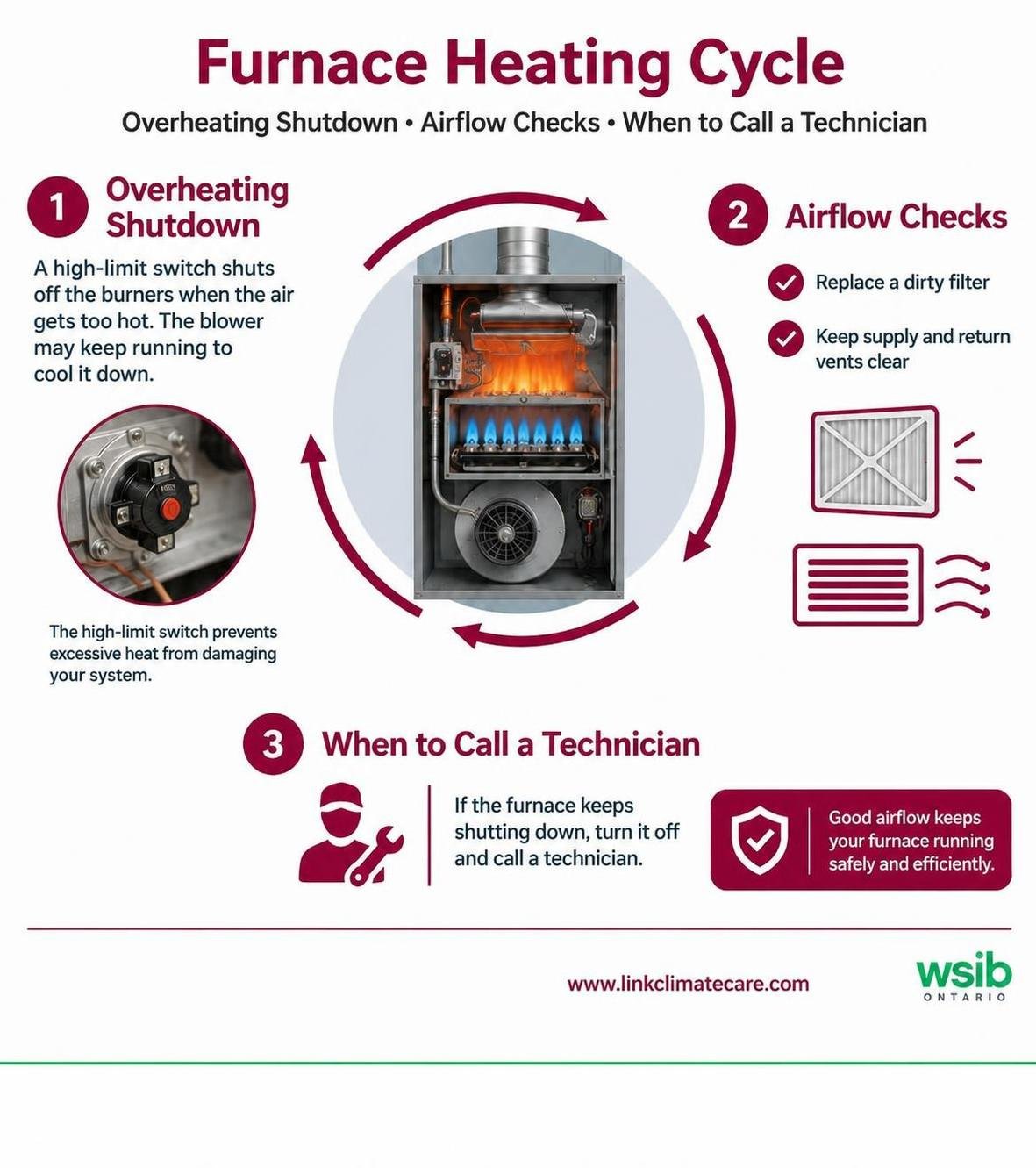
If your furnace shuts off before your home is warm, contact Link ClimateCare for professional diagnosis . Restricted airflow or a safety-control problem may be involved. Do not bypass a safety switch. If the furnace keeps shutting down, turn it off and call for service.
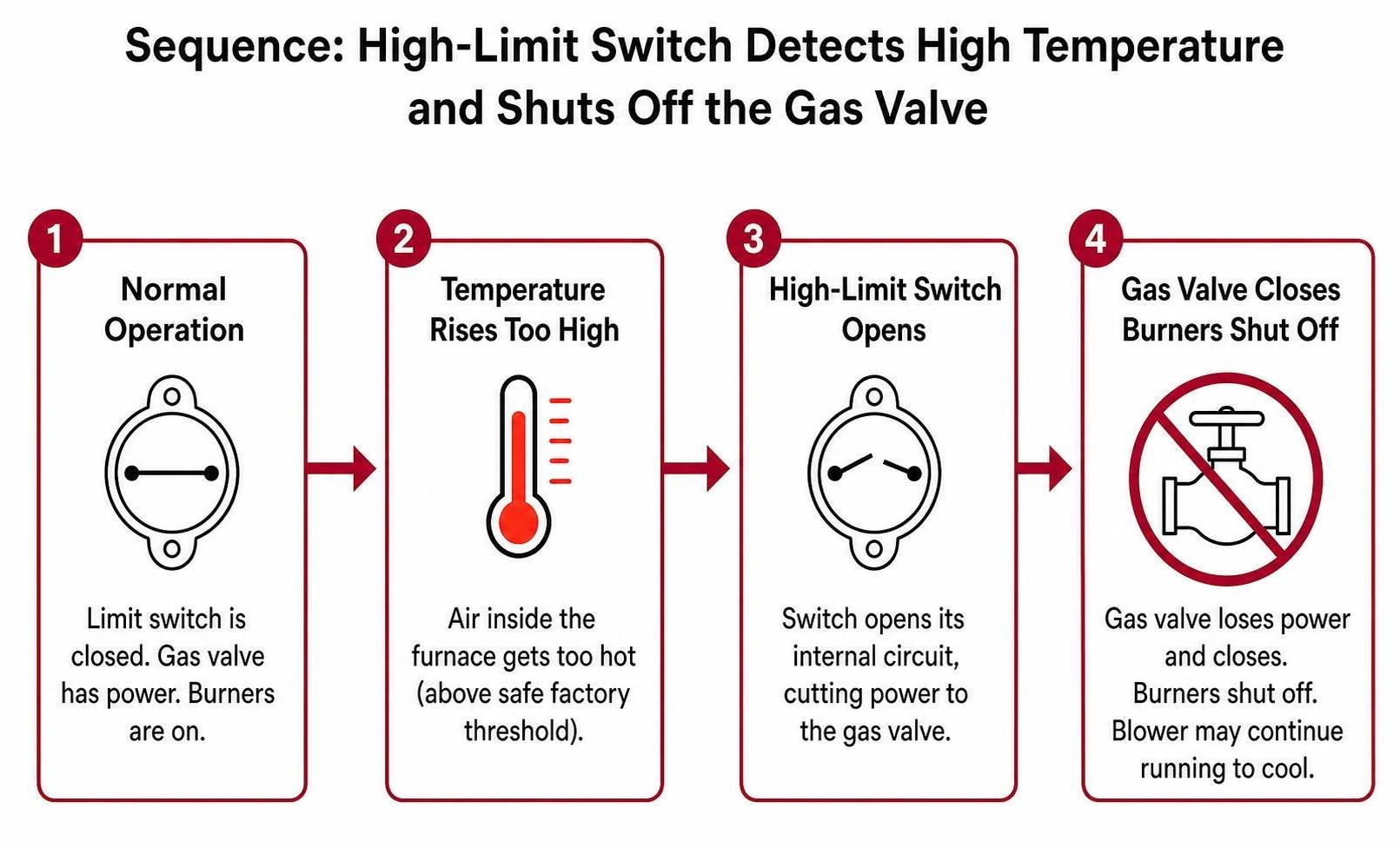
A high-limit switch shuts off the burners when the air inside the furnace gets too hot. The blower may keep running to cool it down. That can leave you with air from the vents but little heat.
Link ClimateCare has served homeowners across the Kawartha Lakes region since 1989. This guide explains when furnace limit switch repair may be needed and when premature shutdowns point to a larger safety concern that requires professional diagnosis.
What Is a Furnace Limit Switch and Why Does It Trip?
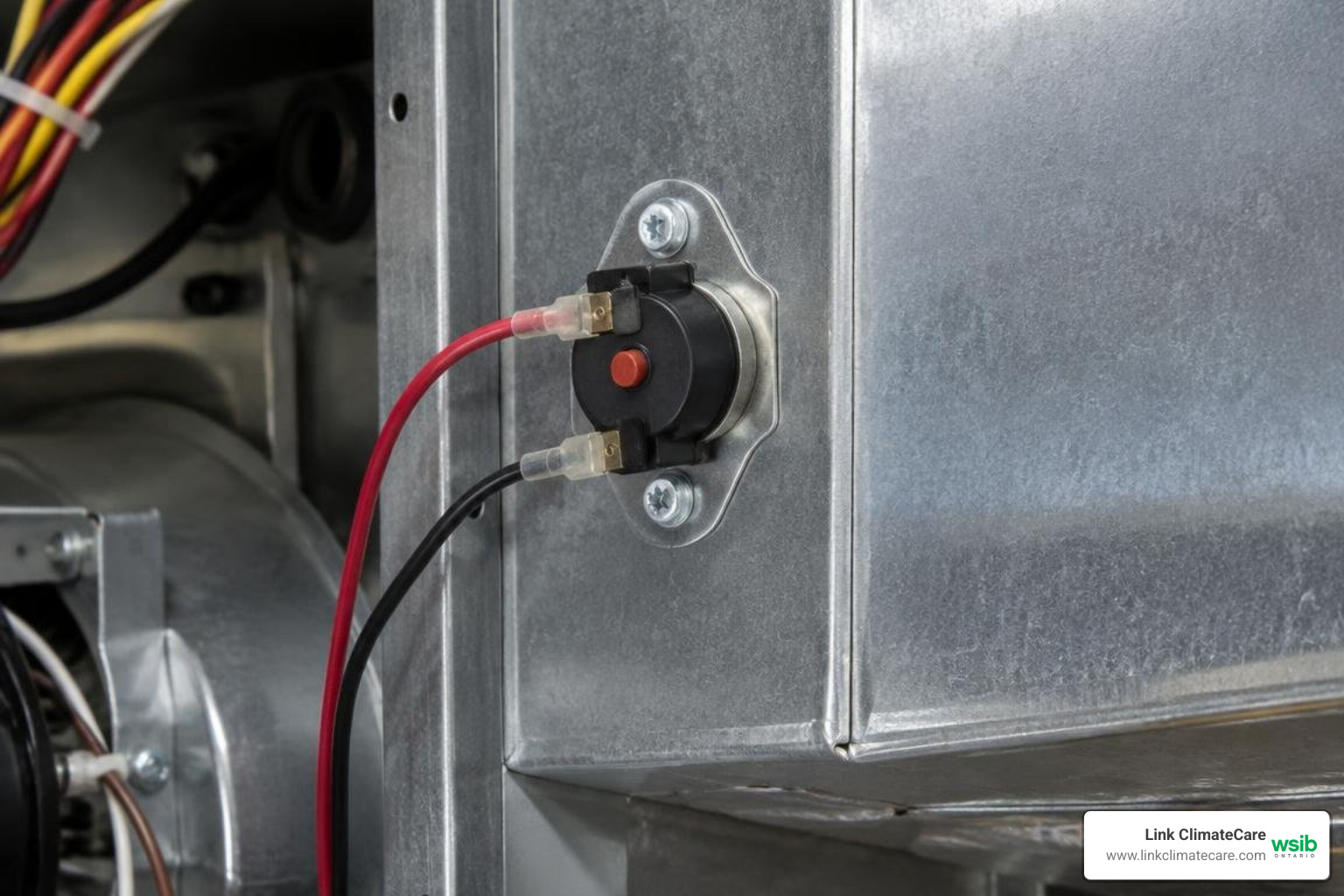
A furnace limit switch is a primary safety device installed inside your heating system. Its job is straightforward but essential: it continuously monitors the internal temperature of the supply plenum, the chamber where air is heated before being pushed through your ductwork.
During normal operation, the limit switch tells the blower fan when the heat exchanger has warmed up enough to blow comfortable warm air into your home. More importantly, if temperatures inside the cabinet climb above safe factory thresholds (often between 140°F and 250°F depending on the unit's design), the switch opens its internal electrical circuit. This immediately cuts power to the gas valve, extinguishing the burners while allowing the blower fan to continue running to dissipate trapped heat.
When homeowners notice their furnace turning on, running for two to five minutes, shutting off prematurely, and then attempting to restart over and over, this behavior is known as short-cycling. Exploring why furnaces shut off prematurely often leads directly to an open safety switch protecting the unit from dangerous thermal stress.
High-Limit Switch vs. Flame Rollout Switch
While both components act as critical safety switches in your furnace's 24-volt control loop, they protect against different hazards.
| Feature | Primary High-Limit Switch | Flame Rollout Switch |
|---|---|---|
| Primary Location | Supply plenum / heat exchanger wall | Burner assembly / combustion chamber |
| Safety Purpose | Prevents cabinet & plenum overheating | Detects flames escaping burner area |
| Trigger Mechanism | Internal thermal bimetal disc | Thermal sensor / fusible link |
| Reset Type | Automatic (resets once cooled) | Manual (professional diagnosis required before reset) |
| Typical Cut-Out | 140°F – 250°F | 300°F – 350°F |
The high-limit switch uses a temperature-sensitive bimetal disc that expands and contracts. When the air cools down to a safe operating level, the switch automatically closes the circuit and allows heating to resume.
In contrast, a flame rollout switch monitors the combustion area. If draft problems or cracked heat exchangers force flames backward out of the burner compartment, this switch trips. Because rolling flames present an immediate fire hazard, contact Link ClimateCare for professional diagnosis before any reset or restart.
Common Causes of Overheating and Limit Switch Failure
When a limit switch opens, it is usually doing exactly what it was designed to do: prevent an overheating disaster. Several mechanical and electrical factors can trigger this response:
- Restricted Airflow: The number one cause of high-limit tripping is poor airflow. When cold air cannot freely pass over the heat exchanger, heat accumulates rapidly within the cabinet.
- Severely Clogged Air Filters: A dense blanket of dust and pet hair chokes off system intake, causing internal plenum temperatures to spike within minutes.
- Blocked Supply Registers and Return Grilles: Closed damper vents, furniture placed over floor grates, or heavy drapes blocking returns stifle the system.
- Failing Blower Motor or Capacitor: If the blower fan cannot spin at its designated speed, heat stays trapped inside the heat exchanger.
- Cracked Heat Exchanger: Structural breaches alter air pressure balance across the combustion chamber, frequently tripping rollout and high-limit safeties.
- Wiring & Connector Corrosion: On certain systems, loose or oxidized connections, such as a 12-pin connector, can introduce electrical resistance that mimics an open switch fault.
Maintaining balanced airflow is fundamental to dependable, safe home heating.
Professional Diagnosis of Furnace Limit Switch Problems

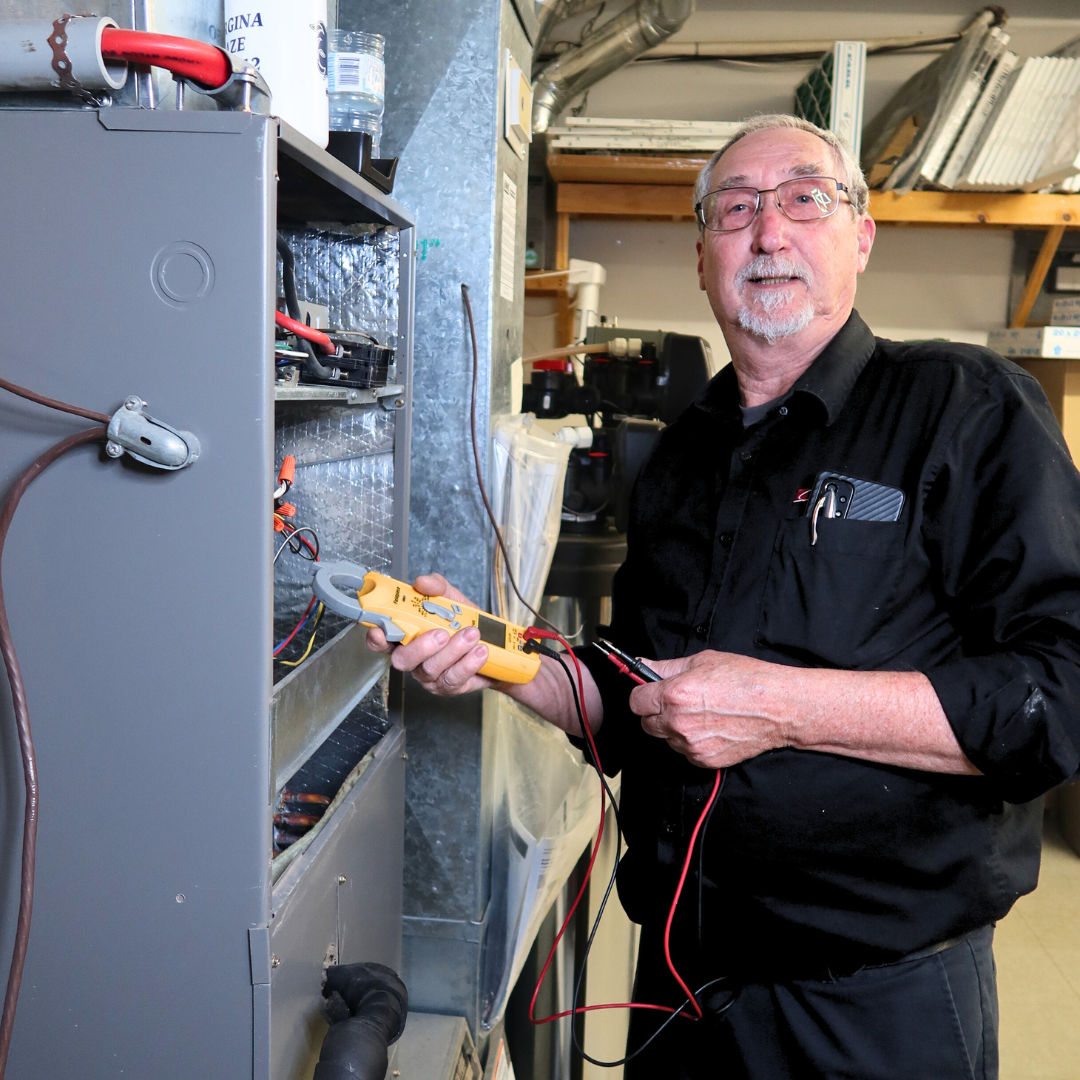
A Link ClimateCare technician can distinguish an airflow problem from a defective limit switch by assessing fault codes and testing whether the switch’s electrical circuit is open or closed. Contact Link ClimateCare for diagnosis rather than testing the furnace yourself.
Professional Airflow and Fault-Code Assessment
Modern furnaces feature an integrated control board with an LED indicator light visible through a small viewing port on the lower blower door.
A Link ClimateCare technician can interpret the fault code for your furnace model and assess filters, airflow and safety controls to identify why the furnace is shutting down. Contact Link ClimateCare to arrange diagnosis rather than attempting resets or repairs yourself.
If the furnace repeatedly shuts down or the blower runs continuously without burner ignition, contact Link ClimateCare for professional furnace repair.
Professional Electrical Testing
Persistent fault codes require professional assessment. Contact Link ClimateCare rather than attempting electrical tests on furnace safety controls.
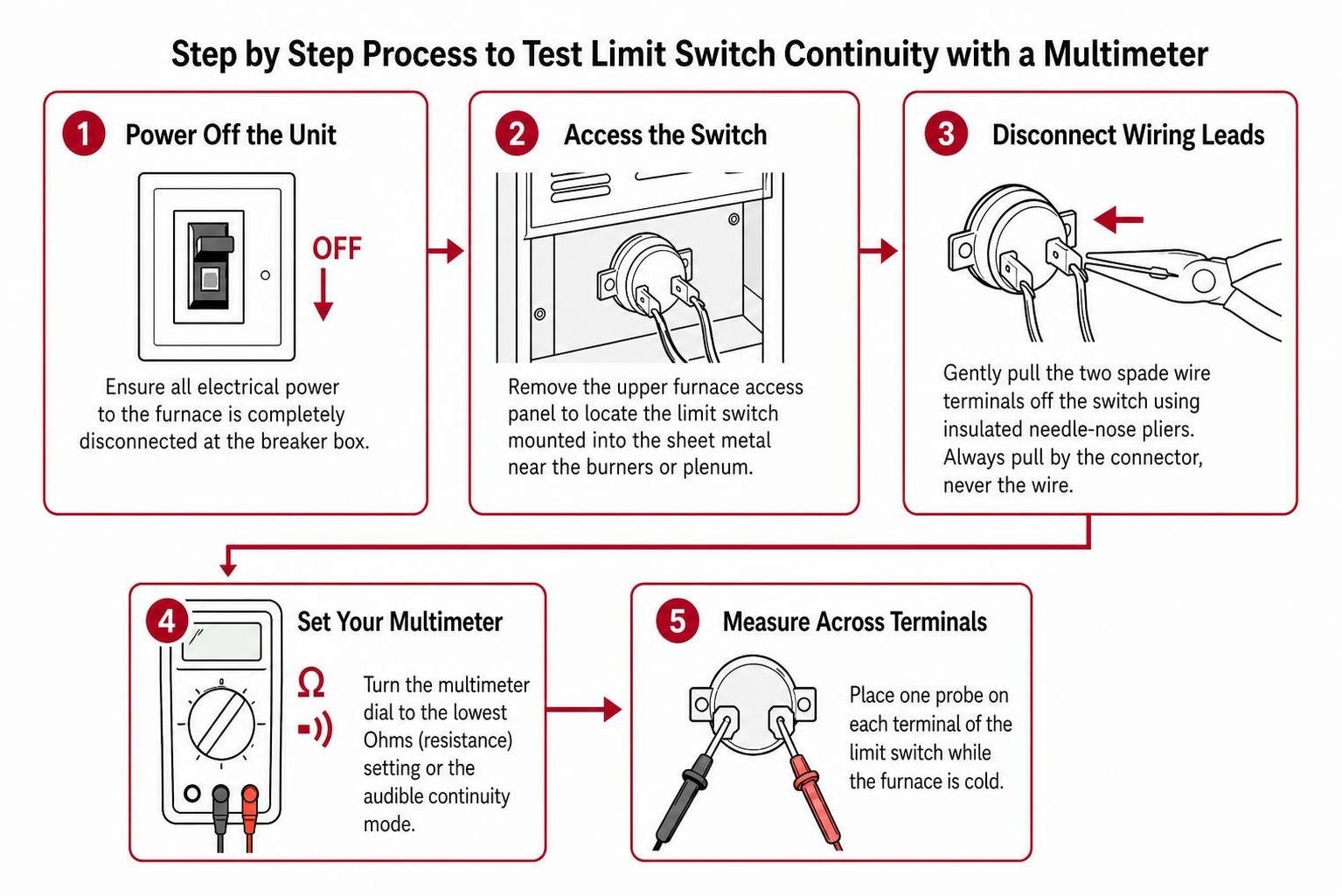
Electrical testing of furnace safety controls should be handled by a qualified HVAC technician. Link ClimateCare can assess the switch and investigate the cause of the shutdown.
A technician interprets electrical test results alongside the furnace’s temperature, switch specifications and operating conditions before deciding whether replacement is needed.
Professional Furnace Limit Switch Repair
When testing confirms that the switch is permanently open, replacing the part restores proper safety control.
Professional Limit Switch Replacement
Professional replacement requires a switch that meets the furnace manufacturer’s specifications, including its opening and closing temperature ratings. For example, L180-30F indicates a switch that opens at 180°F and closes after cooling by 30°F. Link ClimateCare can assess the appropriate replacement rather than leaving homeowners to select or install a safety control.
When replacement is necessary, a qualified technician installs the correctly specified switch and verifies furnace operation. Contact Link ClimateCare to arrange professional repair and assessment of any underlying overheating problem.
Regular inspections during furnace maintenance ensure these switches remain securely seated and free from terminal corrosion.
Limit switch replacement involves a furnace safety control and should be handled professionally. Contact Link ClimateCare for an assessment and an estimate for the necessary repair.
Preventive Maintenance to Keep Your Limit Switch Working
Preventive care stops your limit switch from experiencing the repeated thermal stress that causes premature failure.
- Filter and Airflow Assessment: Ask Link ClimateCare to assess filter condition and airflow restrictions and recommend an appropriate maintenance schedule.
- Schedule Annual Professional Inspections: During a seasonal tune-up, technicians clean the blower assembly, inspect the heat exchanger for cracks, check gas pressure, and test safety limit circuits under load.
Proactive checkups and routine maintenance extend the operating life of all internal safety components across your heating system.
Frequently Asked Questions About Furnace Limit Switches
Can I manually reset a tripped limit switch?
Primary high-limit switches generally reset automatically once internal temperatures drop to a safe range. Flame rollout switches near the burners commonly require a manual reset. If a manual rollout switch trips, do not reset it yourself. Contact Link ClimateCare for professional diagnosis and repair.
How long does a furnace limit switch last?
Under normal operating conditions, a limit switch can last between 10 and 20 years, often the entire lifespan of the furnace. However, if a furnace experiences chronic airflow restrictions, the constant heating and cooling causes metal fatigue in the bimetal disc, leading to premature switch failure within a few seasons.
Can a dirty air filter cause the limit switch to fail?
Yes. A clogged filter starves the system of return air, causing heat to build rapidly around the heat exchanger. This forces the limit switch to open and close repeatedly during each heating call. Over time, this constant thermal cycling weakens internal springs and contacts until the switch sticks permanently open.
Conclusion
A furnace limit switch is a vital safety mechanism designed to protect your home and equipment from hazardous temperatures. When your heating system begins shutting down prematurely or blowing cold air, contact Link ClimateCare to assess possible airflow restrictions or safety-control problems.
Repeated shutdowns call for professional diagnosis. Contact Link ClimateCare to identify the cause and arrange any necessary repair.
At Link ClimateCare, we bring decades of hands-on expertise to every home across Beaverton, Lindsay, Peterborough, and the Kawartha Lakes region. Backed by our 100% satisfaction guarantee and 24/7 emergency response, our licensed technicians are ready to keep your home warm and safe. Contact us today for all your heating needs or explore our expert boiler and heating services.