Winter Furnace Repair: Common Cold-Weather Failures and Prevention
Keep Your Furnace Reliable Through Winter
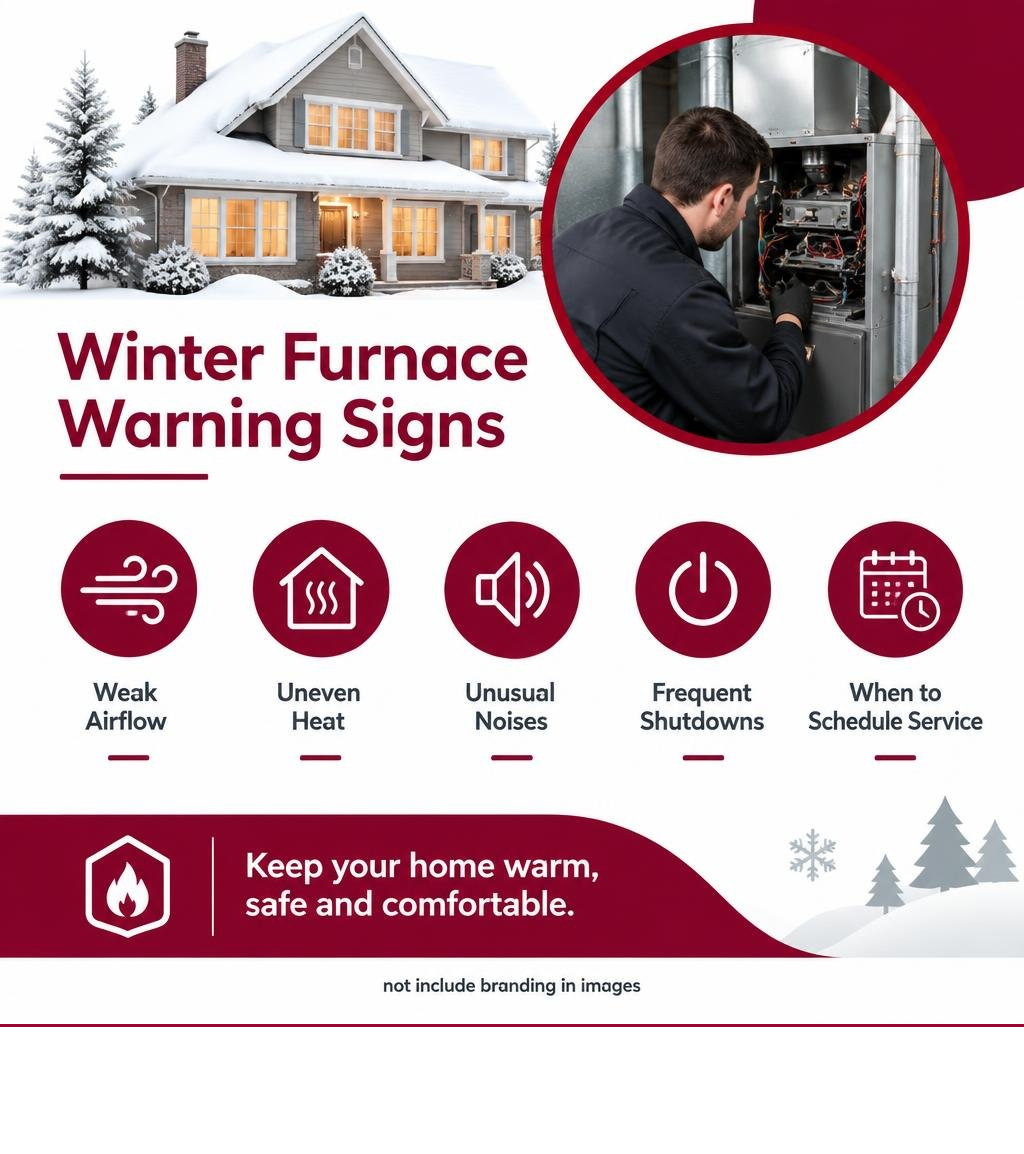
To reduce the need for furnace repair in winter , book a professional inspection before the coldest weather arrives. If you notice weak airflow, uneven heat, unusual noises, or frequent shutdowns, contact Link ClimateCare rather than waiting for a complete breakdown.
Long stretches of cold weather put extra demand on your furnace. A pre-winter tune-up can catch wear and safety concerns early. If your heat fails during a cold snap, Link ClimateCare offers 24/7 emergency response in Beaverton, Lindsay, Peterborough, and the Kawartha Lakes region.
Common Causes for Furnace Repair in Winter
When outdoor temperatures plummet across Ontario, your heating system enters continuous operation. This sustained workload exposes existing mechanical strain, turning minor performance issues into sudden service calls. According to the Air Conditioning Contractors of America (ACCA), a well-maintained system runs more efficiently and is less likely to break down in the coldest weather. Conversely, when maintenance is neglected, internal components face rapid degradation.
A primary driver behind cold-weather failures is restricted airflow. When air cannot circulate freely through the cabinet, the heating chamber experiences rapid heat buildup, putting excessive stress on motors, sensors, and electrical wiring. Understanding combustion gasses in your home and combustion spillage is critical, as severe airflow imbalances can also interfere with proper venting and exhaust evacuation.
Cracked Heat Exchangers and Furnace Repair in Winter
The heat exchanger is the metal barrier separating combustion gases from the breathable air pushed into your living areas. During intense winter cycles, metal expands and contracts continuously. Over time, persistent overheating caused by poor airflow or burner misalignments can cause metal fatigue, leading to stress fractures.
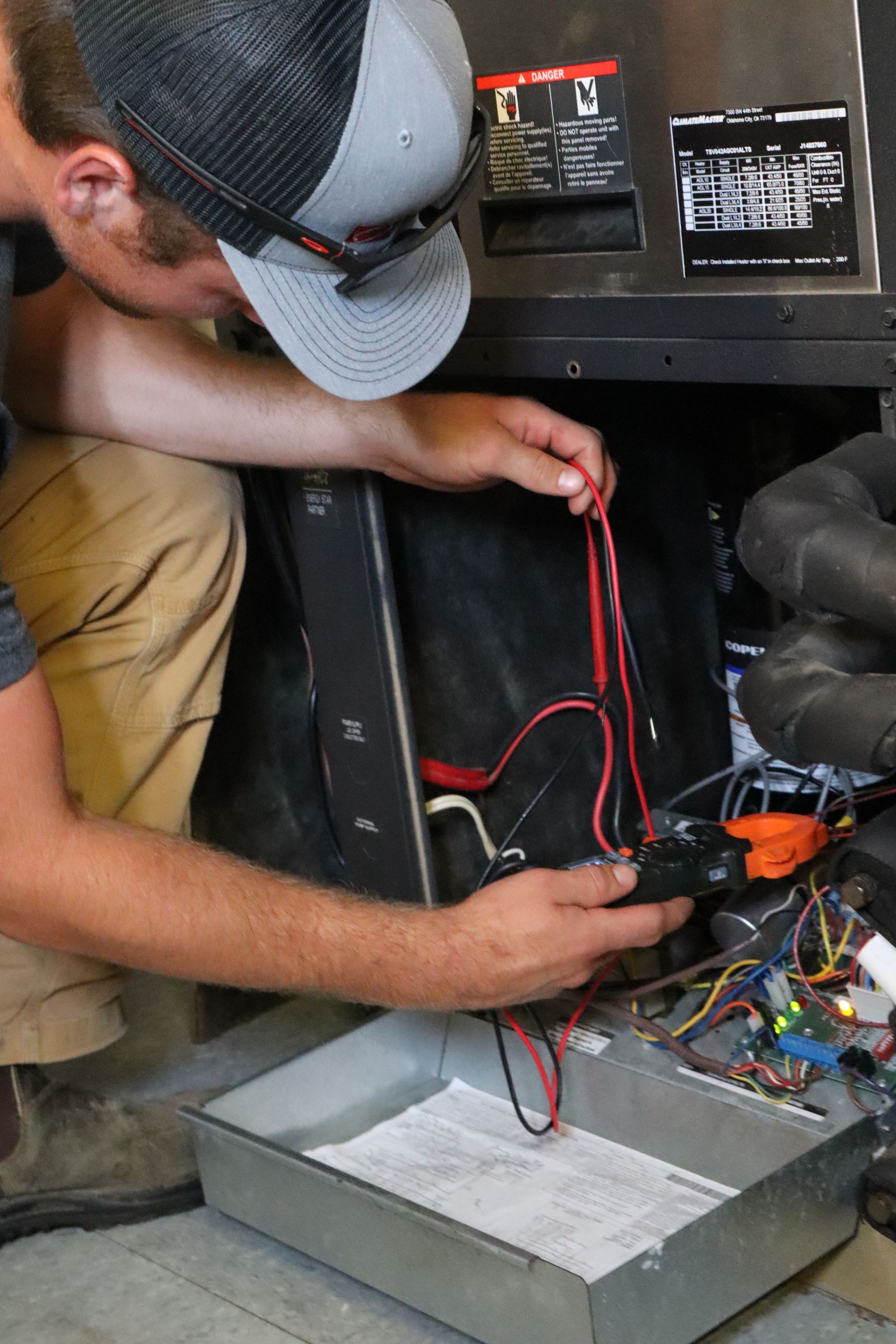
A compromised heat exchanger is a major safety concern because it can allow carbon monoxide (CO) to leak into your home. The ACCA recommends having a carbon monoxide detector on every level of the home and near all sleeping areas, as gas-burning systems can produce CO, which poses severe health hazards. You should never ignore your furnace heat exchanger this winter. Our certified technicians use precision tools to inspect burner combustion and verify structural integrity during seasonal service visits. For comprehensive safety, follow standard furnace room safety guidelines by keeping combustible items, solvents, and clutter clear of your heating equipment at all times.
Rapid Short Cycling and Airflow Blockages
Short cycling occurs when a furnace turns on, runs for only a few minutes, and abruptly shuts down before reaching the set thermostat temperature. This rapid cycling places immense physical wear on the blower motor and ignition assembly while leaving your home chilly.
The most common cause is a severely clogged air filter or blocked return registers. Restricted airflow causes heat to accumulate inside the plenum until the high-limit safety switch trips to prevent overheating. When this safety switch opens repeatedly, it wears out and can lock the system out entirely. Learning why your furnace shuts down prematurely helps identify when internal components are overheating. If your system turns on and off constantly, having our licensed technicians resolve the underlying furnace short cycling ensures safety switches, motors, and airflow channels operate within manufacturer parameters.
Ignition Failure and Thermostat Malfunctions
Modern furnaces rely on electronic hot surface ignitors or intermittent pilot systems to ignite fuel. Over several heating seasons, soot, oxidation, and normal wear can degrade these assemblies. If the flame sensor becomes coated in carbon buildup, it cannot detect the burner flame, prompting the control board to cut fuel delivery within seconds as a safety precaution. This results in the system blowing cold air or failing to start entirely.
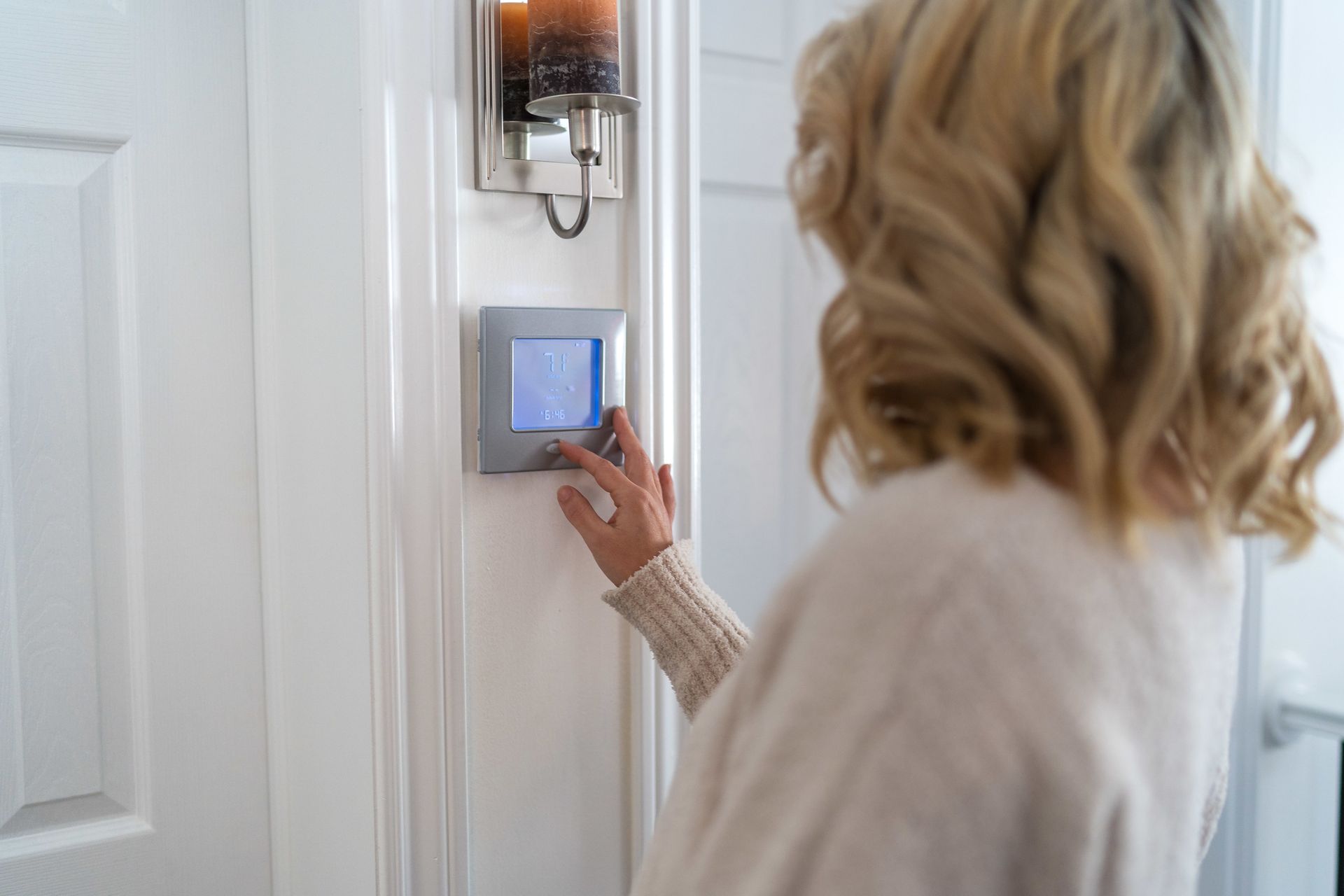
Thermostat calibration and wiring faults also present as heating system failures. If the thermostat fails to communicate properly with the furnace control board, the unit may run erratically or refuse to cycle on during sudden temperature drops. Ensuring reliable home heating requires a comprehensive assessment of both the heating unit and its control interfaces. Our team tests ignition voltage, cleans sensitive safety sensors, and checks thermostat calibration to keep warmth circulating reliably.
Preventing Furnace Breakdowns and When to Schedule Service
Preventative care is the most reliable way to avoid mid-winter heating emergencies. Scheduling an inspection before the deep freeze sets in allows certified technicians to identify worn belts, failing capacitors, loose electrical connections, and venting restrictions before they cause total system shutdowns.
ENERGY STAR recommends yearly heating equipment tune-ups to help maintain system efficiency and comfort. Catching mechanical wear early prevents minor component fatigue from cascading into costly damage, protecting your comfort through the most demanding winter stretches.
Essential Pre-Season Safety Checks and Inspections
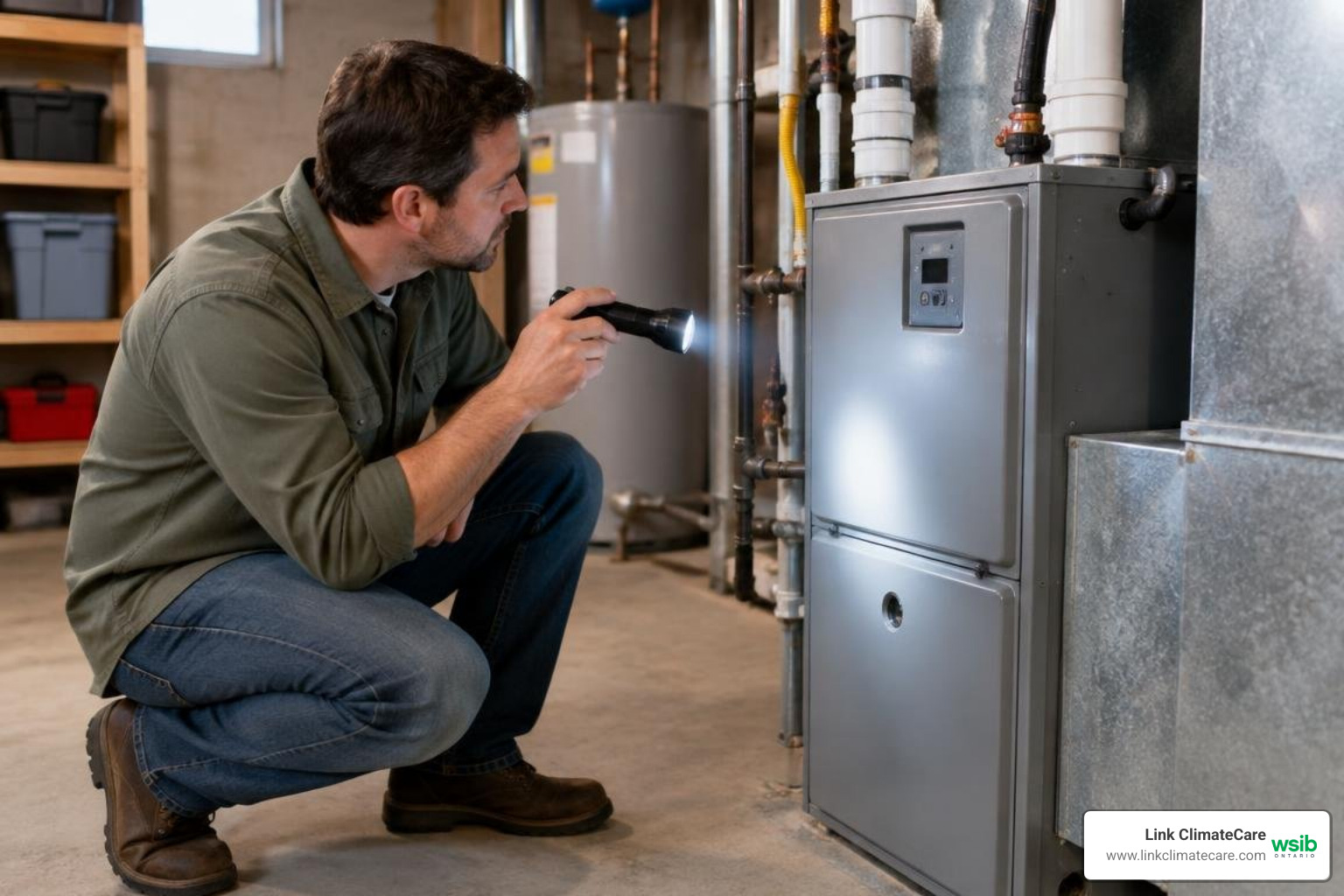
Before the heating season begins, your system requires a comprehensive safety check. Technicians inspect the venting pipes to ensure outdoor exhaust and intake terminations are unobstructed by snow, ice, or animal nests. Restricted exhaust pathways cause pressure switches to trip, preventing the furnace from firing.
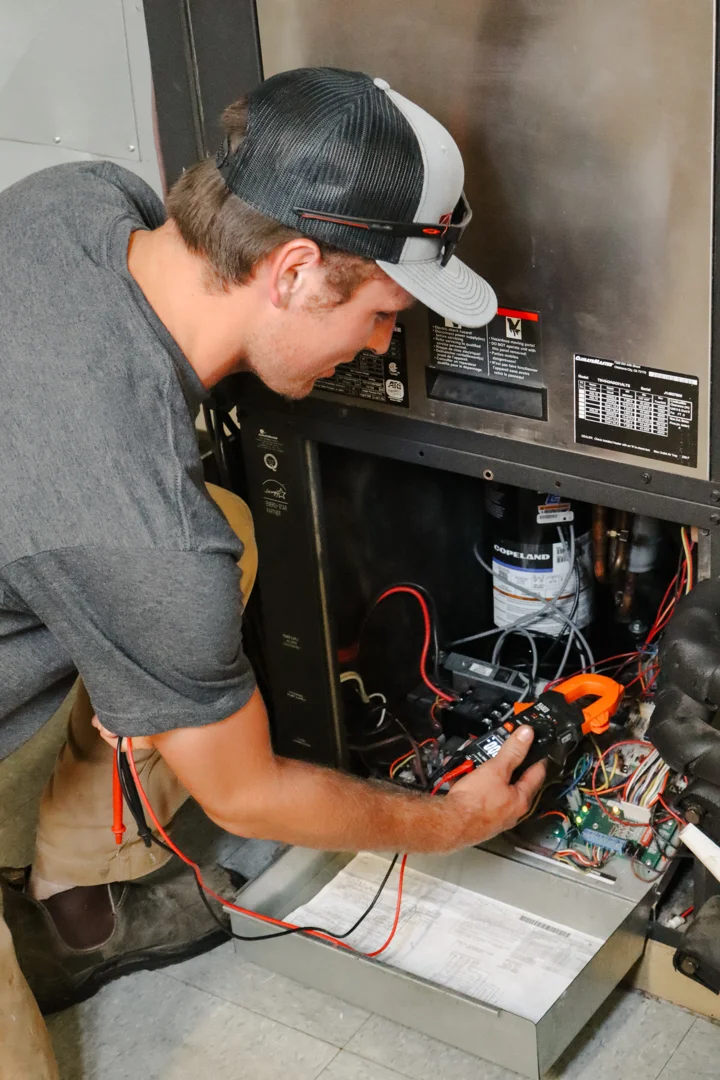
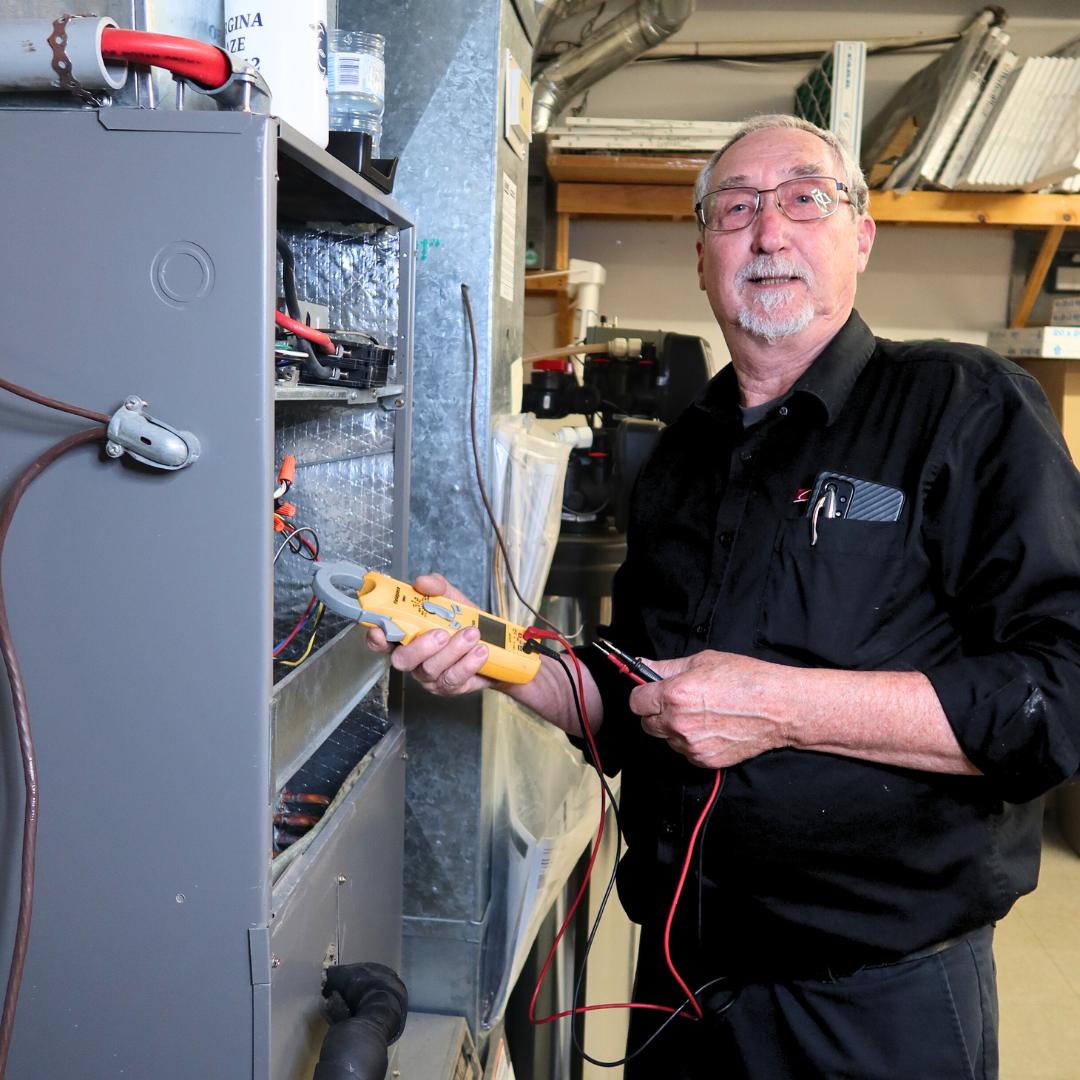
A complete pre-season evaluation includes verifying electrical connections, measuring motor amperage, checking gas valve pressure, and testing all safety shutoff circuits. Enrolling in regular professional furnace maintenance and structured home maintenance plans ensures these essential checks are completed annually, protecting your equipment warranty and keeping your home safe.
Comparing Professional Tune-Ups vs Emergency Furnace Repair in Winter
If your furnace was installed more than 10 years ago, it may operate at only 60% efficiency, while newer high-efficiency systems reach up to 97% Annual Fuel Utilization Efficiency (AFUE). A neglected system suffers from degraded efficiency, elevated monthly utility costs, and a heightened risk of failure during peak winter demand.
Investing in annual care keeps your residential furnace operating smoothly and reduces the likelihood of stressful cold-weather breakdowns.
When to Call Link ClimateCare for Professional Heating Service
If you experience cold air blowing from your vents, persistent clanking or squealing sounds, sudden spikes in fuel usage, or repeated system lockouts, contact the professionals immediately. Operating a malfunctioning heating system during extreme weather can accelerate internal damage and compromise indoor air quality.
Link ClimateCare is your trusted, locally owned heating specialist serving Beaverton, Lindsay, Peterborough, and the entire Kawartha Lakes region. Backed by our 100% satisfaction guarantee and dependable 24/7 emergency response, our licensed technicians deliver prompt, reliable service when you need it most. Whether you need prompt furnace repair or require comprehensive heating and boiler repair solutions, contact our team to restore safe, dependable heat to your home.