Why Your Heating System Cannot Keep Up on Cold Days
Why Your Heating System Cannot Keep Up on Cold Days
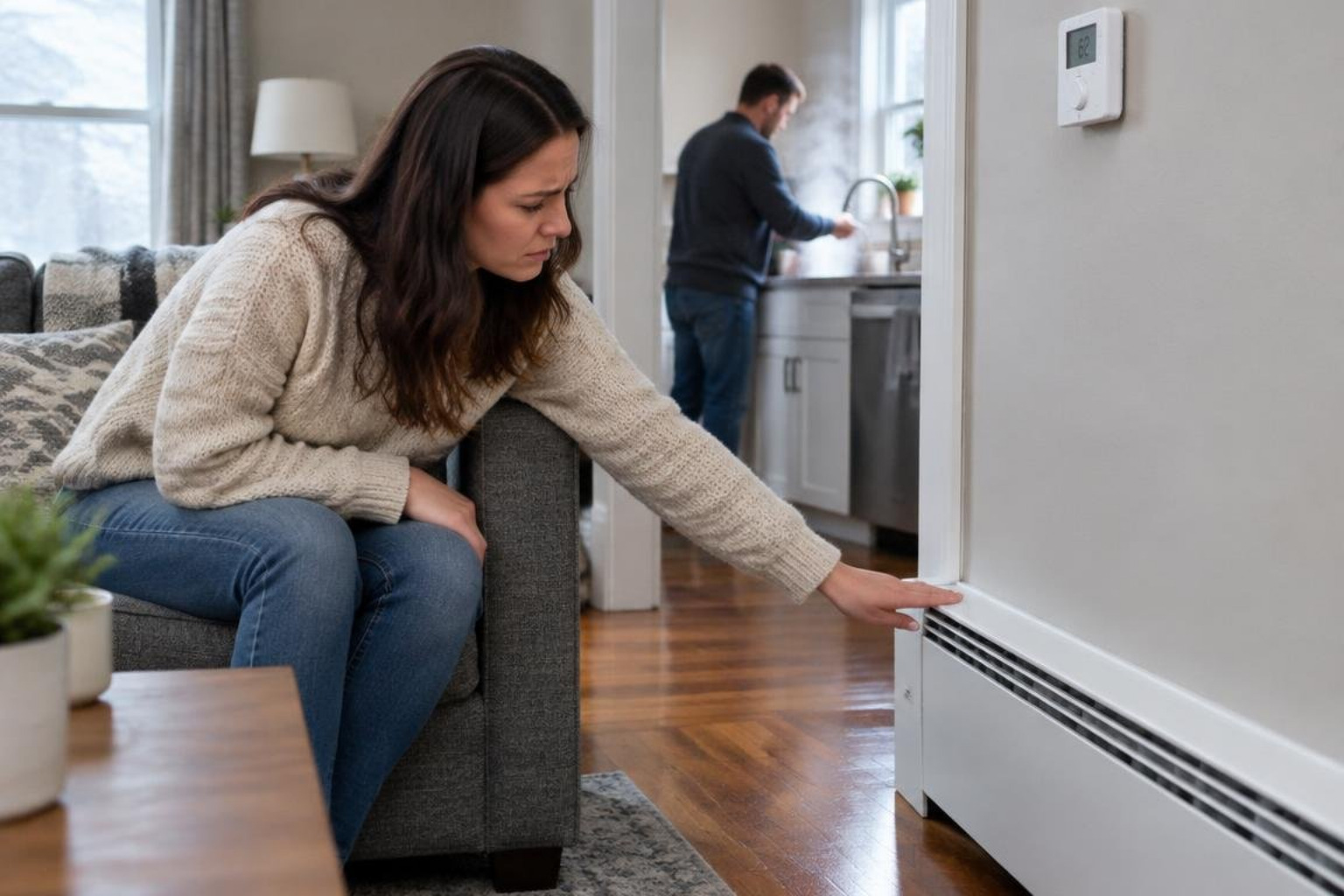
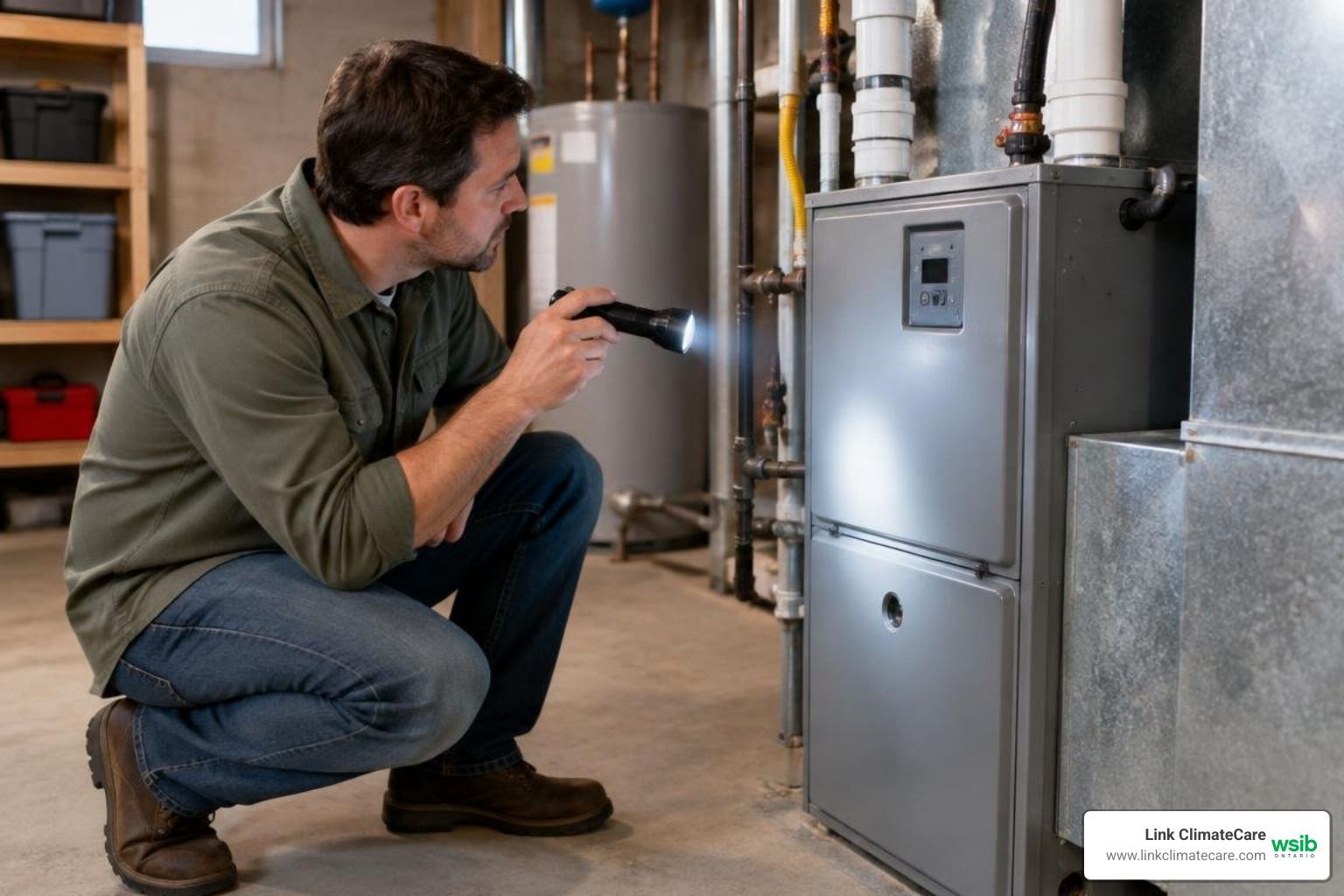
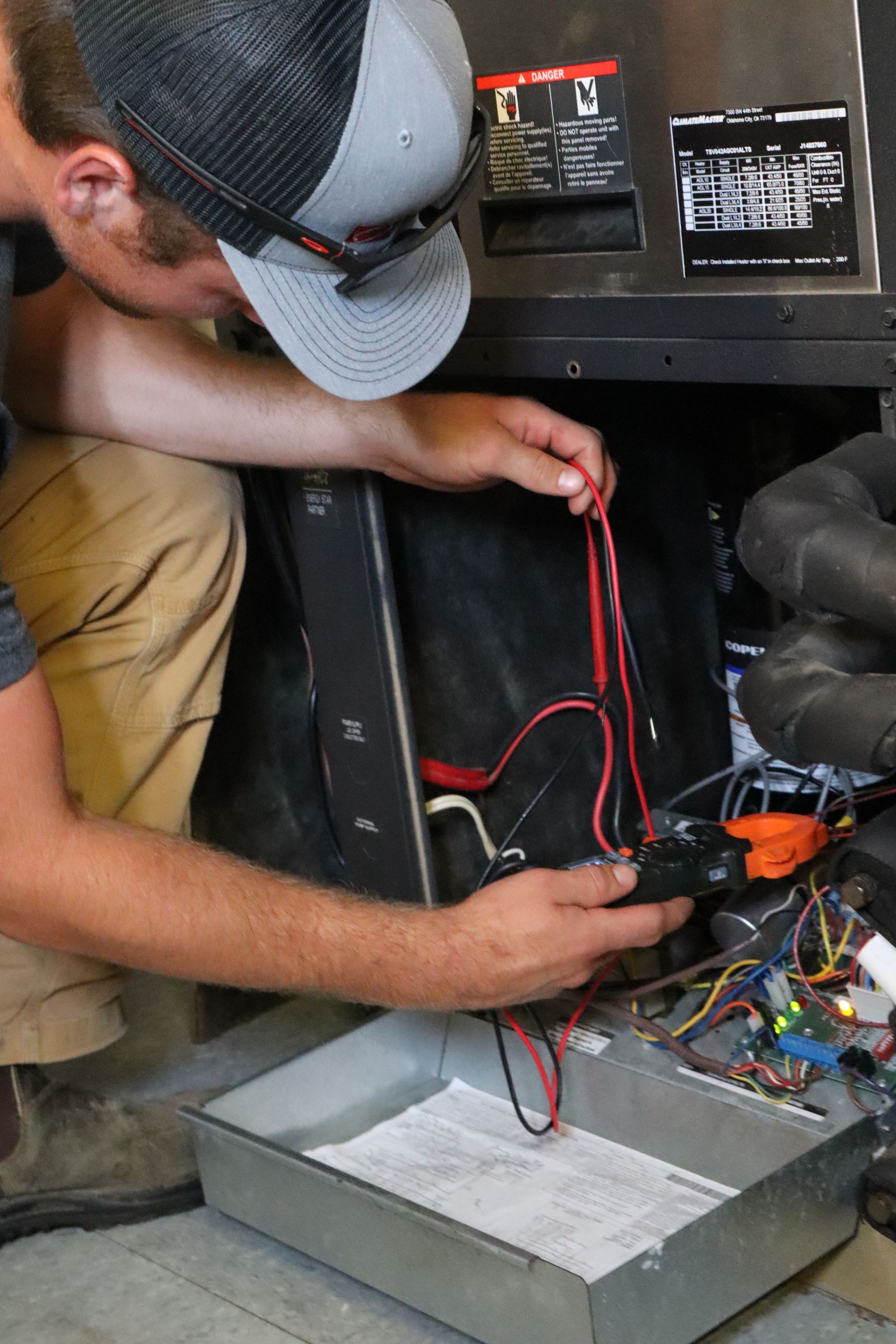
When a heating system struggles on freezing days, the issue is typically caused by restricted airflow from a dirty filter, ignition faults, blocked outdoor vents, or extreme outdoor temperatures exceeding design limits. Residential heating systems are designed to maintain comfortable indoor temperatures during standard winter conditions, so longer run times can be normal during peak cold snaps. However, cool air blowing from supply registers or steadily dropping indoor temperatures signal an airflow restriction or mechanical failure that requires professional diagnosis. If you detect unusual electrical burning odors, continuous short cycling, or persistent error codes, turn the unit off at the thermostat immediately. Link ClimateCare can inspect your heating system, diagnose why your home is not staying warm, and provide dependable repairs.
Primary Causes of a Heating System Not Keeping Up in Cold Weather
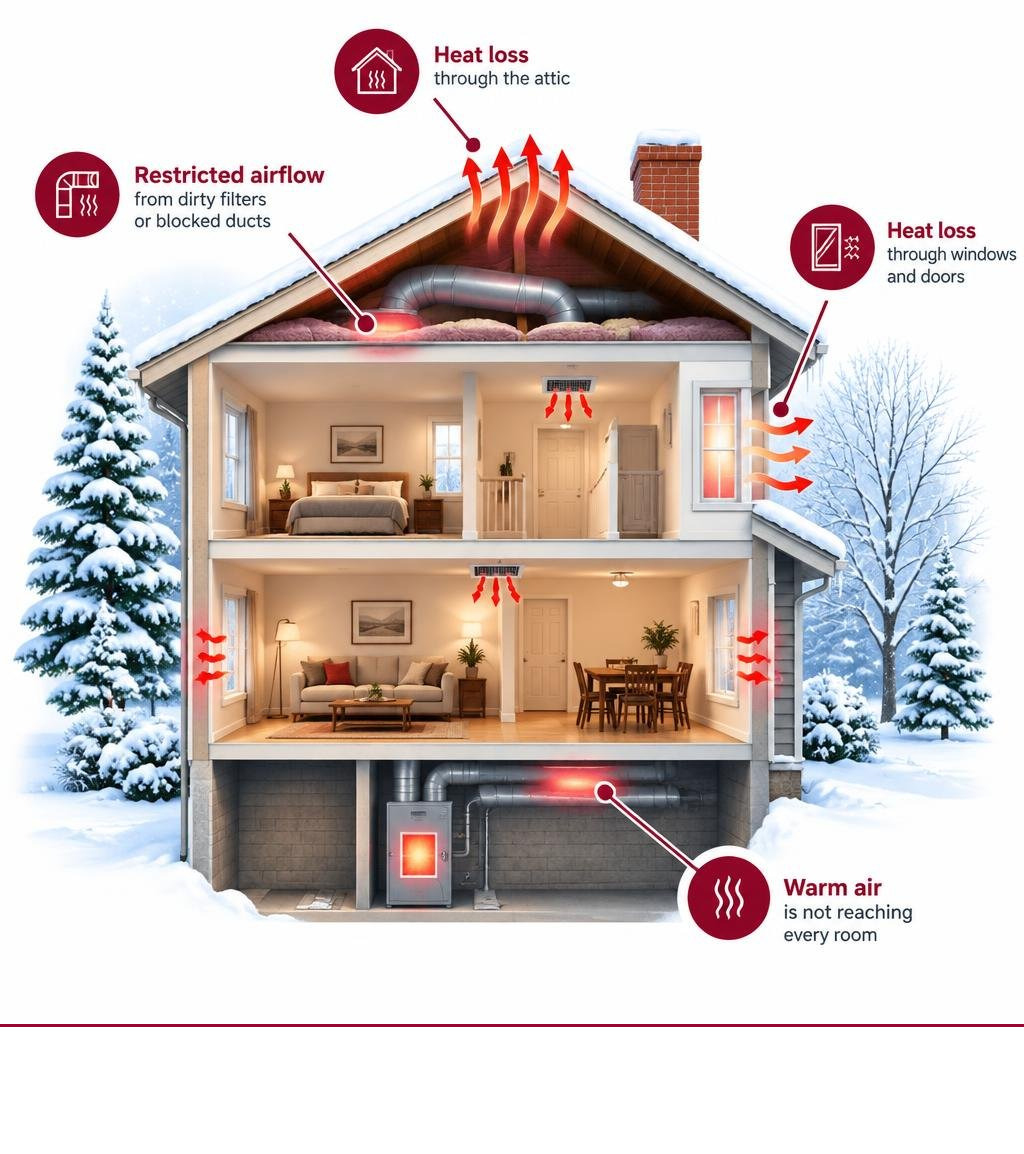
When outdoor temperatures plunge below freezing, your heating system faces its heaviest workload of the season. Heating systems do not create warmth from nothing; instead, they generate heat and distribute it throughout your indoor living spaces while managing humidity and air quality. When mechanical components wear down, airflow drops, or outdoor conditions exceed design limits, that heat delivery process breaks down quickly.
Understanding why your heating equipment struggles during peak winter cold helps you identify when your equipment simply needs breathing room and when it requires immediate professional intervention from our team.
Airflow Restrictions Leading to a Heating System Not Keeping Up in Cold Weather
Adequate airflow is the lifeblood of any residential heating system. When air cannot move freely across the indoor heat exchanger, the equipment cannot deliver warmth to your home. The single most common culprit behind weak airflow and poor heating performance is a heavily clogged air filter. A clogged filter can cut efficiency by up to 15% and is the single most common cause of poor heating.
Restricted airflow creates excessive static pressure inside your ductwork, forcing the blower motor to work harder while delivering significantly less conditioned air to your rooms. In severe cases, the lack of cool return air passing over the hot heat exchanger causes the system to overheat, leading to safety limit switch trips that shut the system down entirely.
Ductwork problems also undermine heating efficiency. Typical homes lose 20% to 30% of their conditioned air through small leaks and gaps in the duct system before it ever reaches the living spaces. When these leaks occur in cold attics or crawlspaces, your system loses heated air while pulling in frigid, unconditioned air from outside. Regular Heating Maintenance ensures that filters, blowers, and duct connections remain clear and properly balanced throughout the winter months. Natural Resources Canada's Keeping the Heat In, Chapter 9 also discusses reducing heat loss in homes.
Critical System Faults and a Heating System Not Keeping Up in Cold Weather

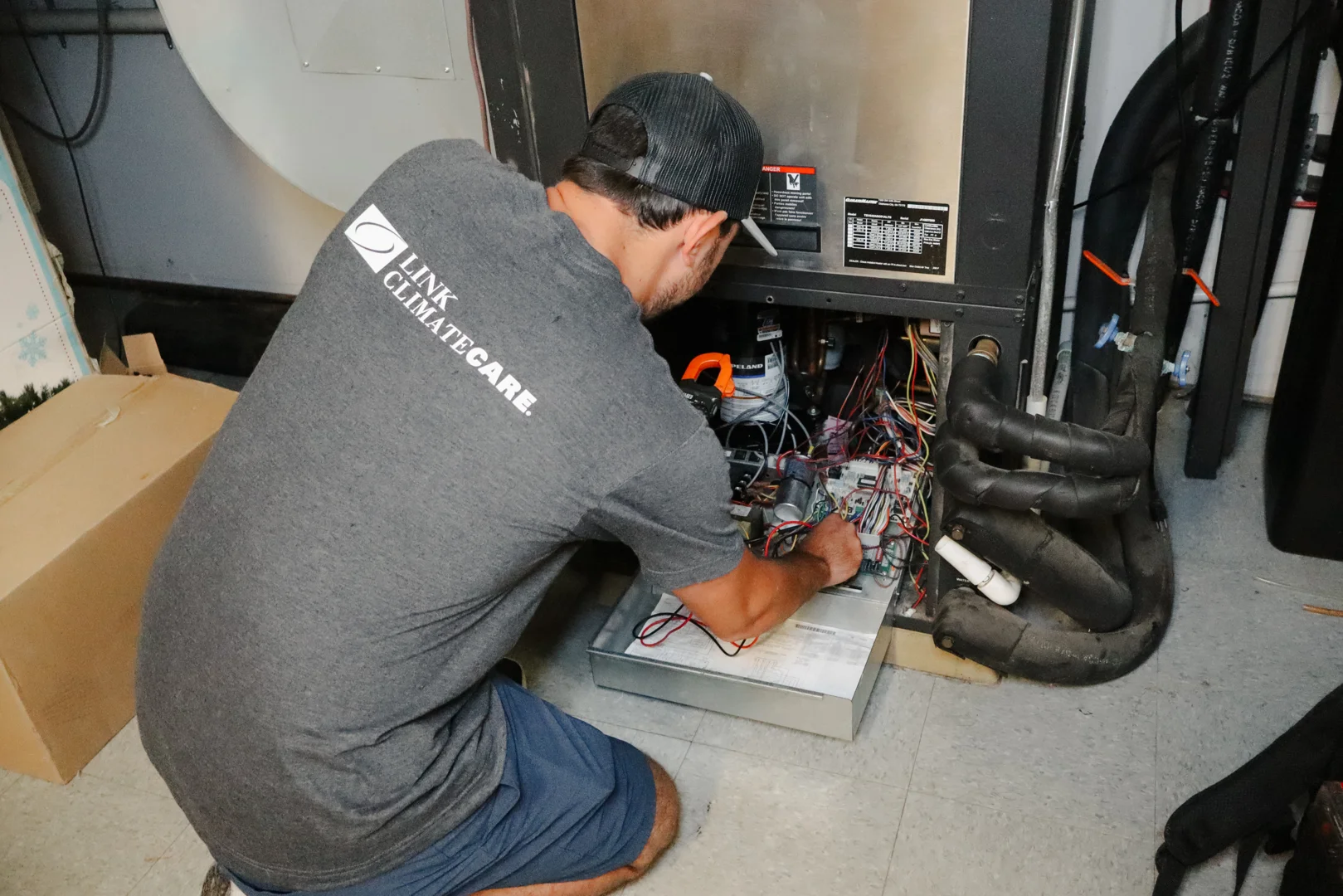
Beyond airflow restrictions, internal mechanical and electrical failures can prevent your system from delivering warm air. When critical parts fail under heavy thermal stress, the unit may continue to circulate ambient room air without actively adding heat.
- Heat Exchanger Cracks: The heat exchanger separates combustion gases from your home's breathable air. A crack can allow dangerous carbon monoxide to enter your living spaces and requires immediate professional attention.
- Failing Capacitors and Contactors: Run capacitors supply the necessary electrical boost to start and run the blower motor and inducer fan. Cold outdoor temperatures accelerate capacitor wear, leading to sudden component failure during frigid nights.
- Outdoor Vent Blockages: The outdoor venting system needs unobstructed airflow to expel combustion gases safely. When snow, ice, leaves, or debris crowd the vent openings, the system cannot operate safely or efficiently.
- Blower Motor Strain: Operating under restricted airflow or failing electrical components puts immense strain on the blower motor, which acts as the mechanical heart of the heating system.
Roughly 30% of "heating system not keeping up" service calls trace back to a tripped safety limit switch. If your system runs continuously while blowing lukewarm air, prompt Heating Repairs by our certified technicians can resolve the root cause before major components suffer permanent damage.
Design Limits and Low Ambient Temperatures
Residential heating systems are sized and engineered according to regional climate design standards. In most areas, systems are designed to maintain an indoor temperature of approximately 72°F when outdoor temperatures reach standard winter lows. When outdoor temperatures drop past -20°F or high winds increase the heat loss rate, even a fully functional heating system will run for extended periods to maintain comfort.
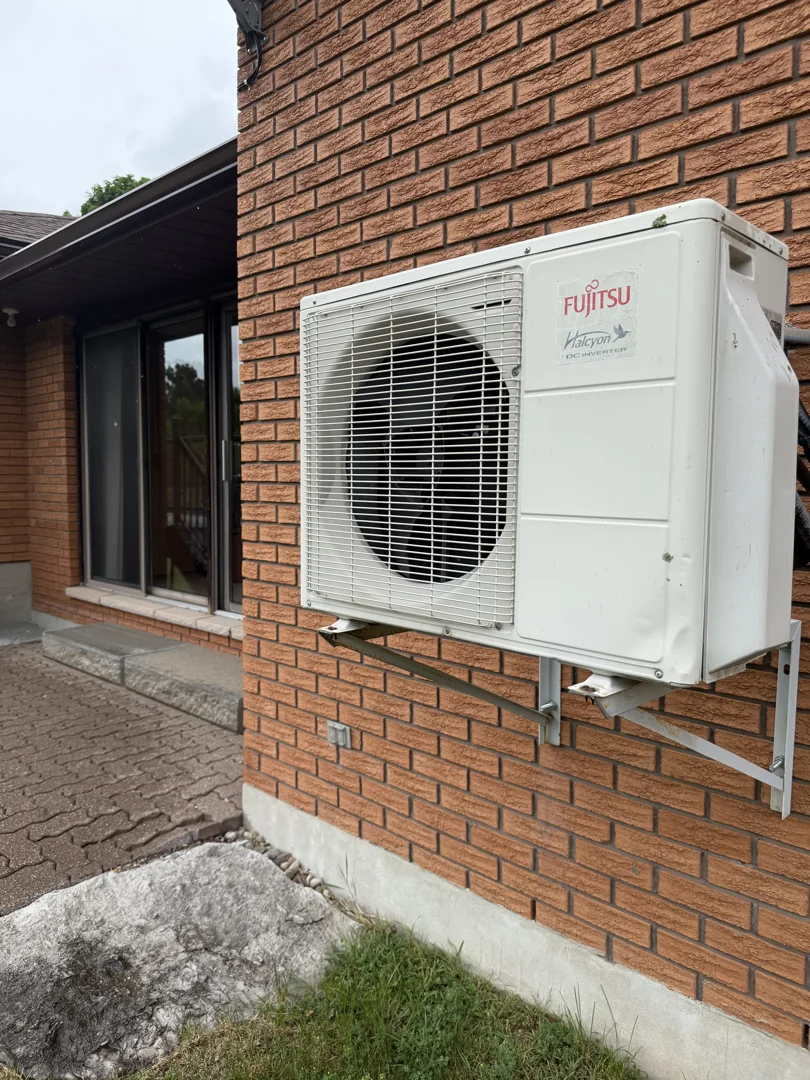
Modern high-efficiency systems, including advanced Heat Pump Heating equipment, utilize variable-speed technology to manage both temperature and humidity more effectively during prolonged cold snaps.
Restoring Home Heating Reliability and Efficiency
Identifying Signs That Require System Shutdown
When a heating system experiences a serious malfunction during extreme cold, continuing to run the equipment can quickly turn a minor repair into a complete system replacement. If the heat exchanger overheats or airflow stops, the system can trip safety limits repeatedly, and in severe cases, cracked heat exchangers can release carbon monoxide into your home.
You should turn off your heating system at the thermostat and disconnect power if you notice any of the following warning signs:
- Ice accumulation on the outdoor venting or unusual frost patterns on the indoor equipment.
- Loud buzzing, humming, or grinding noises coming from the electrical panel or blower compartment.
- A distinct burning or electrical odor originating from the blower compartment or registers.
- Water leaking or pooling around the indoor unit due to condensate drainage issues.
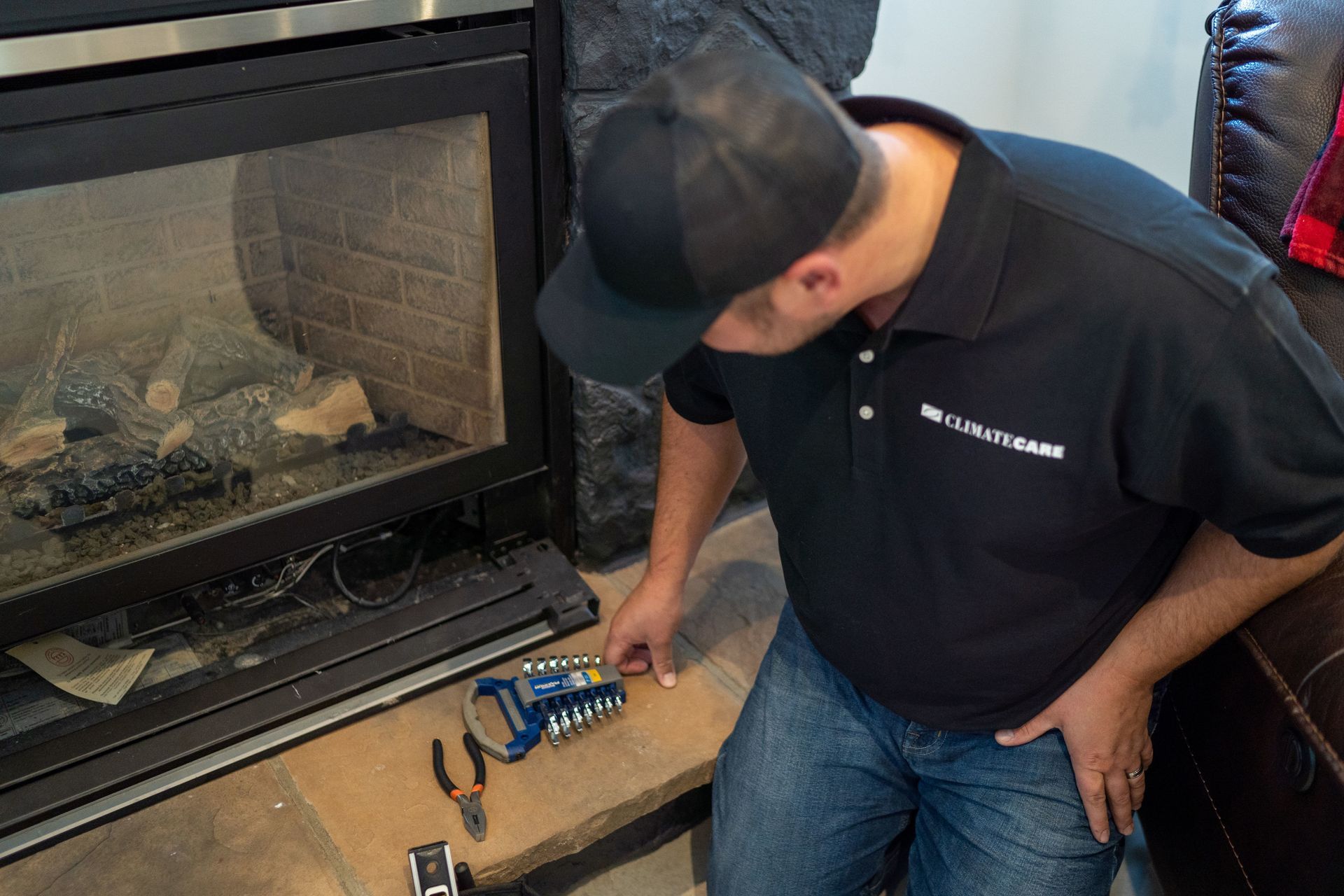
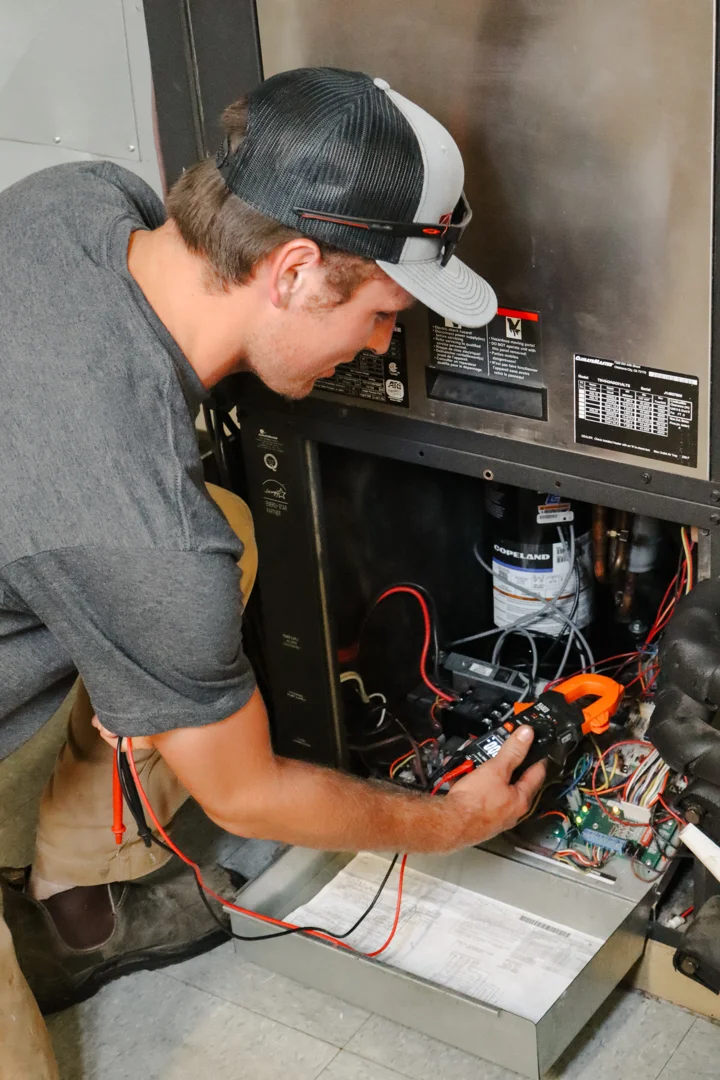
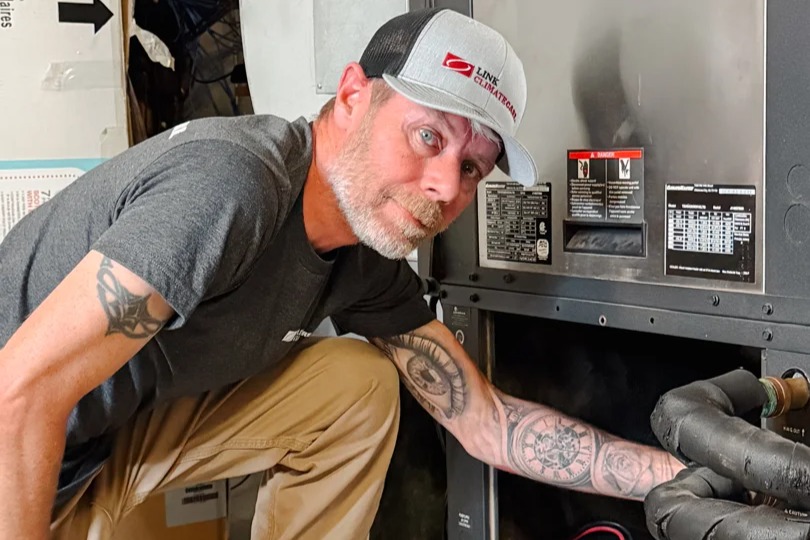
Allowing the unit to run while blowing cool air only drives up energy consumption and risks catastrophic component failure. Major home repair publications like the Home Heating Safety Guide - Canada Mortgage and Housing Corporation emphasize that shutting down the system early preserves vital components. Our technicians can service your Heating Systems safely, restore proper operation, and ensure your system runs reliably.
Evaluating Equipment Sizing and Replacement Needs
If your heating system consistently fails to keep your home comfortable whenever temperatures drop below freezing, the issue may stem from system age or improper sizing rather than a sudden mechanical breakdown.
Most residential central heating systems are designed to last between 15 to 20 years, provided they receive regular professional maintenance. As equipment approaches or exceeds this age range, internal components lose operational efficiency, heat exchangers experience corrosion, and the system struggles under peak heating loads.
An undersized unit will run constantly without satisfying the thermostat on cold days, leaving the home chilly and uncomfortable. Conversely, an oversized unit will heat the space too quickly without running long enough to distribute warmth evenly, resulting in hot and cold spots throughout the home. When evaluating system replacements, certified technicians perform detailed heating load calculations to match the equipment capacity precisely to your home's square footage, insulation levels, window exposure, and regional climate.
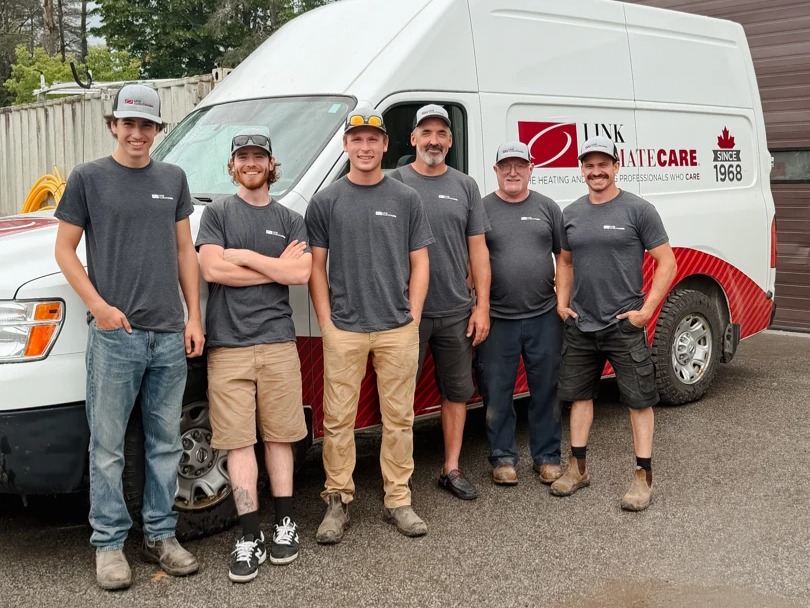
Link ClimateCare provides complete residential heating evaluations, preventative maintenance, and prompt repair services across Beaverton, Lindsay, Peterborough, and the Kawartha Lakes region. Backed by our 100% satisfaction guarantee and 24/7 emergency response, our team ensures your home remains warm and comfortable even during the coldest days of winter.
If your heating system is struggling to keep up with the winter cold or has stopped blowing warm air entirely, contact our professional team today to schedule an inspection and restore dependable home comfort.