Why Your Boiler Gives You Hot Showers but Freezing Rooms
Why You Have Hot Water but No Heat
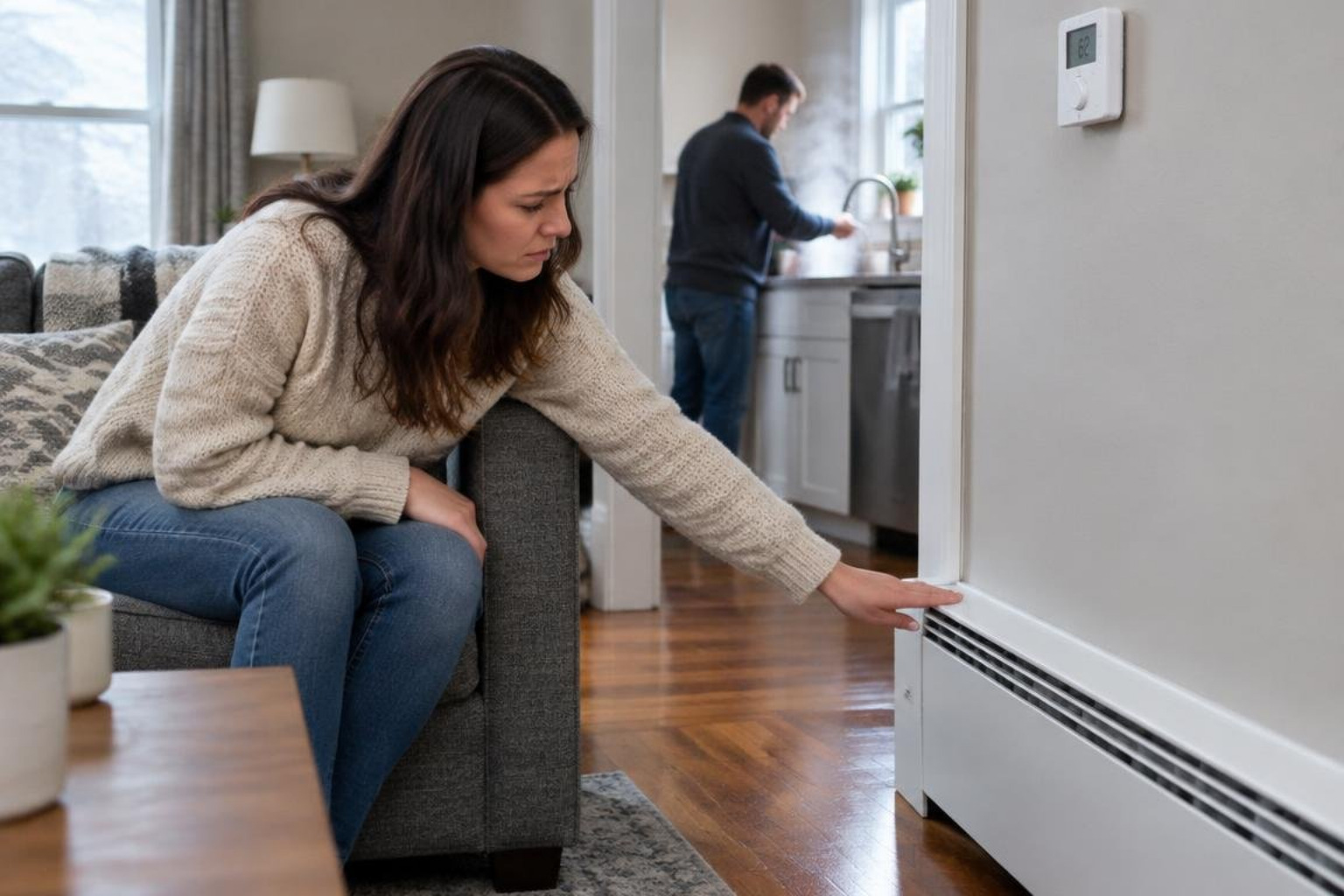
If the heat is not working in the house, but the hot water works, the boiler may still be heating water for taps while failing to send warmth to the radiators. The cause could be a heating control, a valve, a circulation problem, or low boiler pressure. Contact Link ClimateCare for a professional diagnosis , especially if the house is getting cold or the boiler shows a fault.
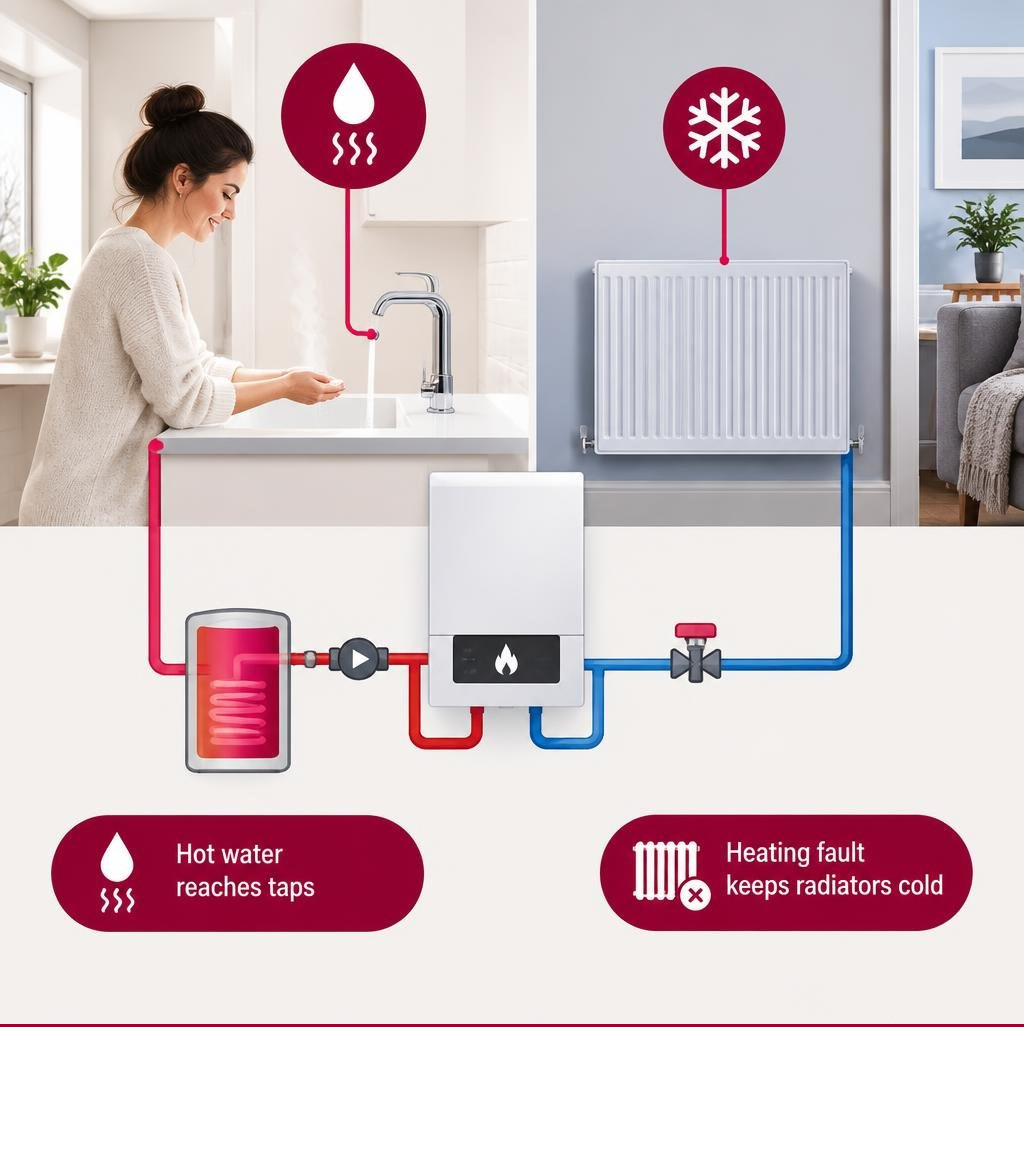
Why the Heat Is Not Working in Your House but the Hot Water Works
Experiencing freezing rooms while your showers stay steaming hot is one of the most perplexing challenges homeowners encounter. Modern hydronic heating systems operate through separated functional loops designed to manage domestic hot water (DHW) and ambient space heating independently. When your system fires up successfully for hot taps but leaves your baseboards or radiators icy, it indicates that the core heat generator is functional, but the distribution mechanism directing that energy into your living spaces has encountered a failure.
In properties relying on comprehensive home heating systems, domestic hot water is commonly prioritized by system logic. Whether you have a combination unit, a tankless internal coil, or an indirect water tank paired with residential boilers, the equipment ensures that hot water demands at the sink or shower take precedence over heating the rooms. When domestic fixtures demand warmth, the unit temporarily diverts thermal energy away from your radiators. However, when mechanical or electrical components fail, the system can become permanently stuck in this priority mode or unable to circulate water out to your living areas, as outlined in technical resources like the Learning Task 4 – Block F: Commission and Service guidelines.
Faulty Diverter Valves When the Heat Is Not Working in the House but Hot Water Works
A malfunctioning motorized diverter valve represents the single most frequent mechanical culprit behind this split-symptom failure. The diverter valve functions as an internal traffic controller, utilizing an electronic actuator to shift a internal mechanical paddle or ball between two distinct outlets: the domestic hot water heat exchanger and the central heating loop.
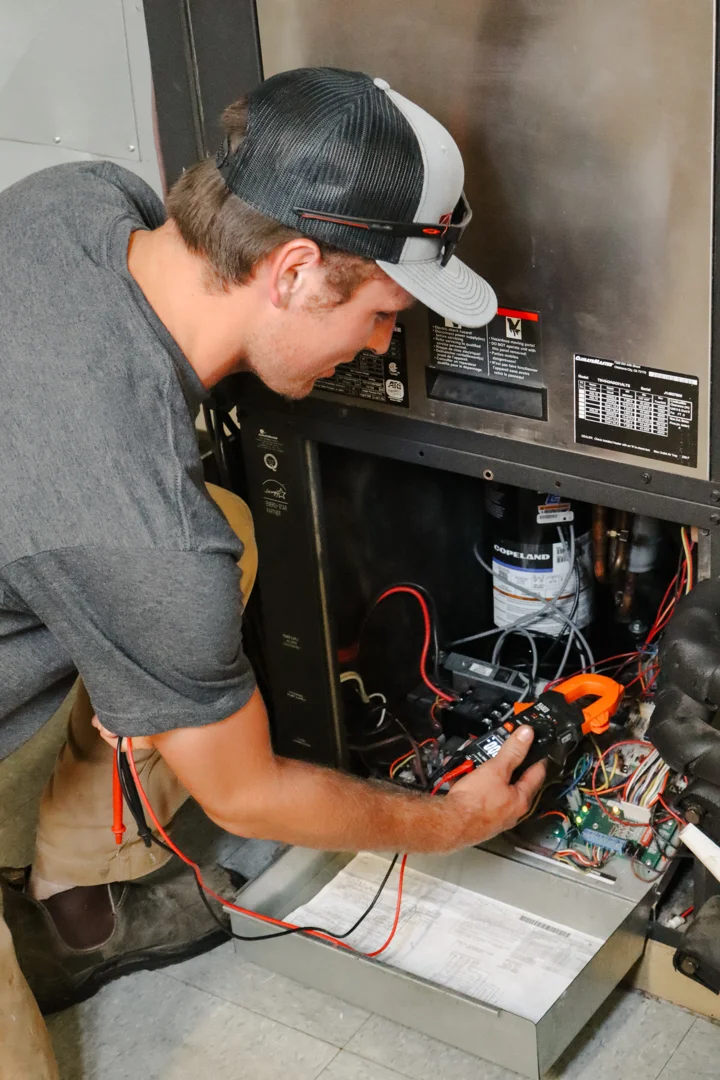
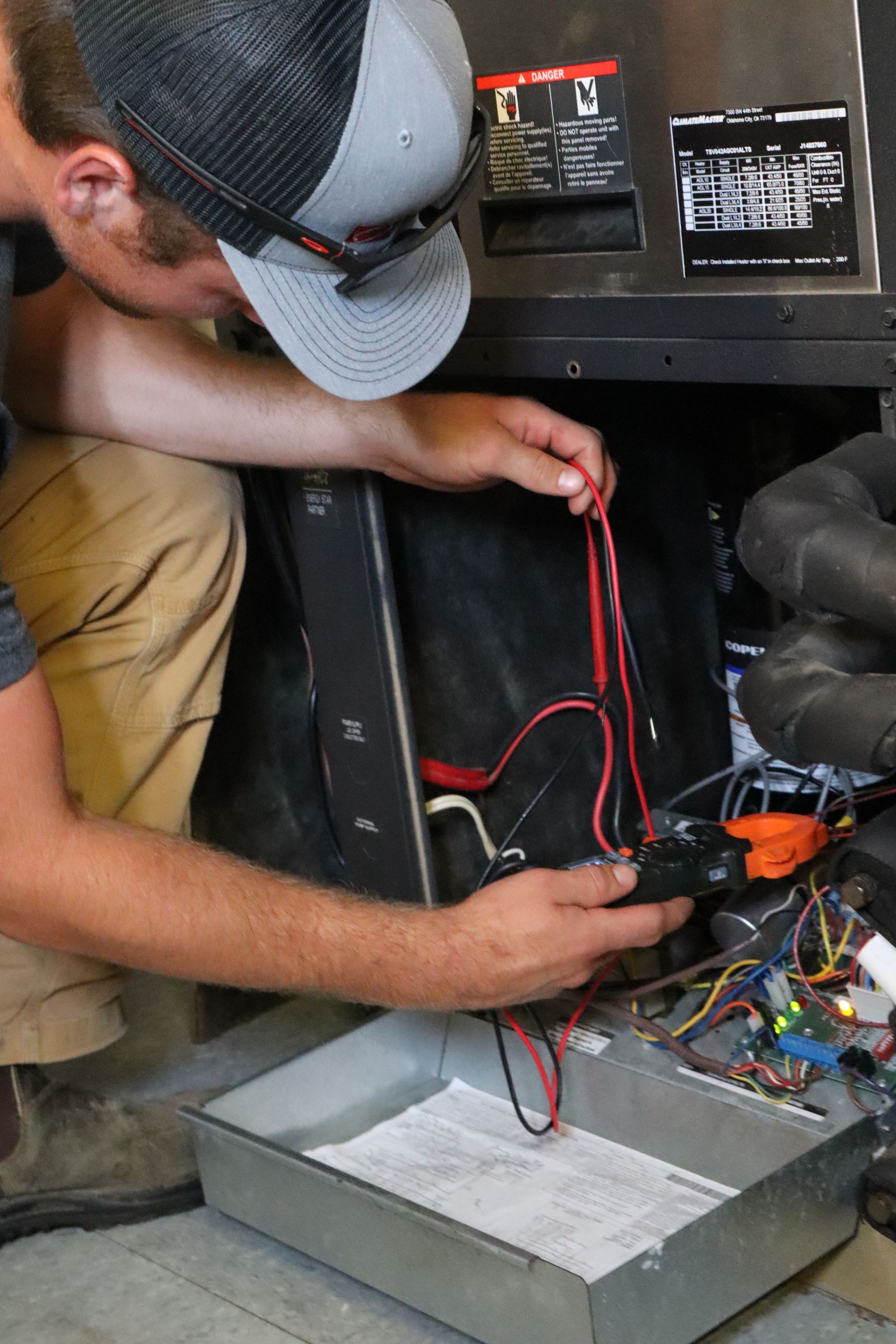
Over time, mechanical wear, electrical motor burnout, or internal sediment buildup can cause this valve to seize. If the diverter valve sticks in the hot water position, boiler-heated water circulates endlessly through the domestic heat exchanger without ever reaching your living areas. Because working on pressurized internal components requires specialized tools and strict safety adherence, diagnosing and replacing a compromised valve requires professional boiler repair to restore reliable thermal distribution.
Thermostat, Aquastat, and Zone Valve Communication Failures
Your heating system relies on a network of low-voltage electrical controls to communicate heating demands between your living spaces and the central unit. When any link in this signaling chain breaks down, the central unit remains unaware that your home is dropping in temperature:
- Thermostat and Wiring Faults : A dead thermostat battery, faulty wiring connections, or an internal sensor failure can prevent heating call signals from ever reaching the boiler controls.
- Aquastat Relay Issues : Boilers utilize an aquastat (often a triple aquastat with high-limit, low-limit, and differential settings) to govern water temperature and pump operation. If the space-heating relay switch fails, the boiler will maintain its internal baseline temperature for domestic coils but ignore thermostat calls entirely.
- Motorized Zone Valves : In multi-zone homes, independent zone valves open upon receiving a thermostat signal. An internal end switch inside the valve actuator must make contact to fire the boiler and engage the circulator. A failed zone motor or damaged end switch leaves the zone completely unheated.
Boiler Pressure and Circulator Pump Breakdown
Even if the burner fires and control boards signal for warmth, heated water cannot travel to your radiators without adequate system pressure and mechanical circulation.
Hydronic systems require stable baseline water pressure, typically between 12 and 15 PSI (around 1 to 1.5 bar) when cold, to push water through high-elevation piping loops. If a system experiences a slow leak or a water feeder malfunction, the pressure drops. Safety pressure switches will often lock out space heating circulation while allowing low-volume domestic heating to fire.
Similarly, the circulator pump acts as the heart of your hydronic distribution network. If the pump's internal impeller jams, its motor burns out, or its internal capacitor fails, heated water sits stagnant inside the boiler jacket.
Radiator Air Locks and Distribution Issues When Heat Is Not Working in House but Hot Water Works
When hydronic systems experience vapor lock, large pockets of trapped air gather at the highest points of your baseboards or radiators. Air acts as a thermal insulator and creates a physical barrier that stops the flow of hot water entirely. This condition leaves radiators cold to the touch or only lukewarm at the bottom while hot water taps continue functioning smoothly.
Furthermore, internal limescale and magnetic sludge accumulation can severely restrict flow through narrow radiator valves and heat exchangers. Eliminating these stubborn flow restrictions, restoring hydronic balance across all rooms, and preventing system decay requires regular, comprehensive preventative boiler maintenance performed by skilled technicians.
Frozen Condensate Lines and Ignition System Lockouts
High-efficiency condensing systems produce acidic condensation during operation, which drains outside via a dedicated PVC or ABS pipe. In frigid winter conditions, uninsulated exterior condensate runs can freeze solid.
When the condensate line blocks, backed-up liquid triggers an internal safety float switch or pressure sensor, forcing the unit into a lockout state to prevent internal flooding. Similarly, dirty flame sensors or ignition control faults can cause the system to attempt ignition, run briefly, and shut down before completing a full heating cycle. When dealing with complex ignition lockouts, homeowners can trust expert furnace and heating repairs to ensure all safety parameters and flue runs operate cleanly.
Restoring Comfort with Professional Heating Solutions
Resolving a heating outage while your hot water continues running requires specialized diagnostic tools, electrical testing gear, and deep hydronic expertise. At Link ClimateCare, our fully certified technicians provide comprehensive diagnostic services, safety inspections, and dependable heating solutions across Beaverton, Lindsay, Peterborough, and the entire Kawartha Lakes region.
We back every service call with a 100% satisfaction guarantee and provide 24/7 emergency response to protect your home from freezing temperatures. When your heating system leaves you in the cold, our team identifies the root cause and restores reliable warmth quickly.
Signs You Require Immediate Professional Heating Service
- The system pressure gauge sits persistently below normal operating thresholds or exceeds safe limits.
- The unit emits unusual noises, such as metallic clanking, loud humming, or whistling sounds.
- Water pools around the boiler base, expansion tank, or motorized zone valves.
- Resetting the unit results in immediate diagnostic error codes or rapid burner shutdowns.
- Certain heating zones remain entirely unheated despite active calls from your thermostat.
If your radiators are cold and your home comfort is compromised, explore helpful home heating guides on our blog or contact Link ClimateCare today to schedule your comprehensive heating inspection.