Whole Home Humidifier Solutions for Total Indoor Comfort
Choosing the Right Whole-Home Humidifier
If your home feels dry during heating season, a whole-home humidifier is the right solution. It adds moisture to the air, helping ease dry-air discomfort such as static electricity and dry skin. That is different from a dehumidifier, which removes moisture and would make dry air worse.
For families in the Kawartha Lakes region, the right choice starts with knowing whether the air is too dry or too damp. Link ClimateCare can assess your home's comfort needs and help you explore whole-home humidifier options.

For a broader look at indoor moisture control, Health Canada provides guidance on managing indoor humidity and moisture.
Whole-Home Humidifiers
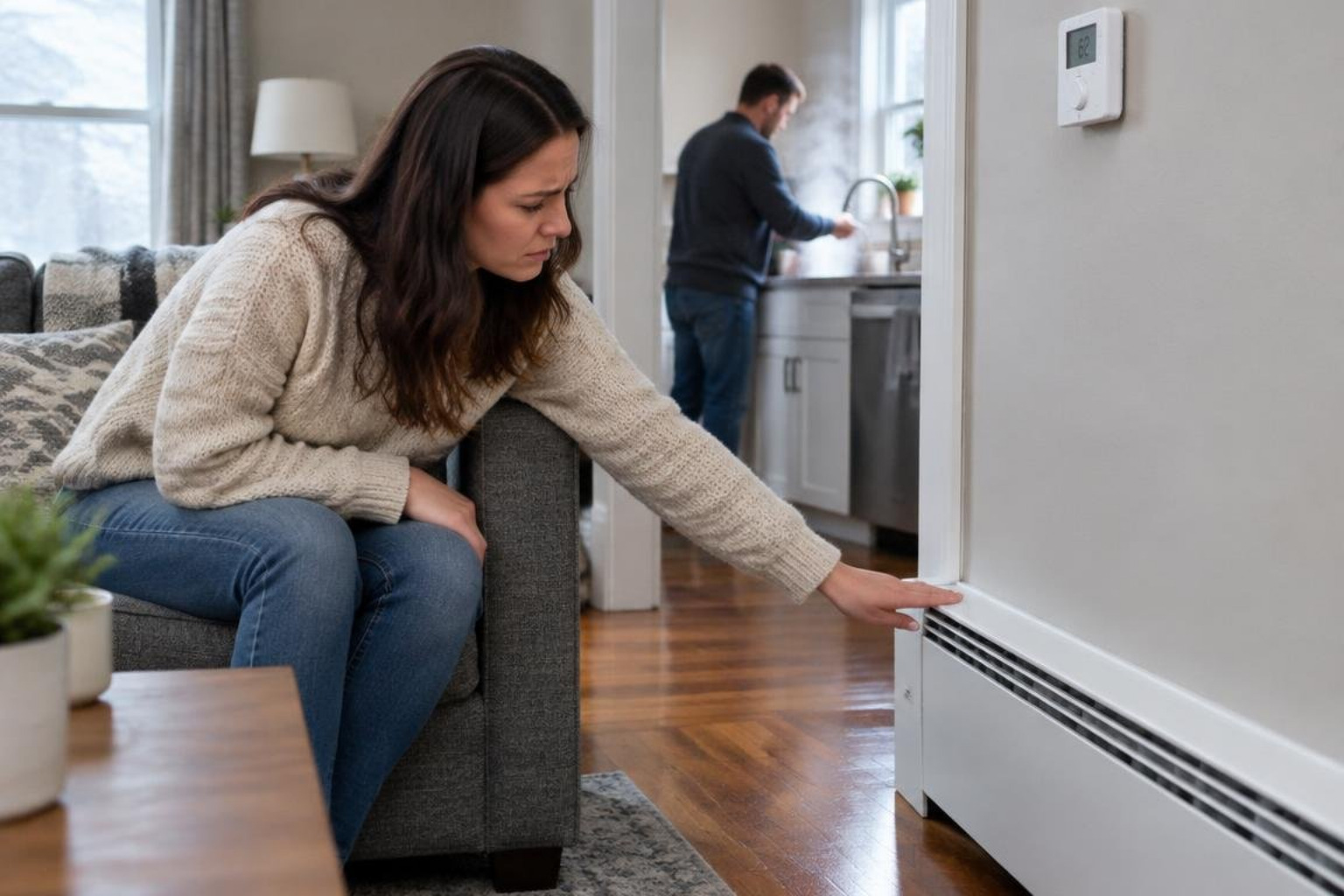
Humidity problems come in two forms, and they call for opposite solutions. Cold Ontario winters push the air in a heated home toward dryness, because cold outdoor air holds very little moisture. Once that air is warmed by your heating system, it feels even drier. Understanding which problem you have is the first step toward lasting comfort.
What a whole-home humidifier does
A whole-home humidifier connects to your heating system and adds a controlled amount of moisture to the air that circulates through your house. Unlike a portable unit that serves one room and needs constant refilling, a central system works in the background and treats the whole home at once.
Because it is tied to your heating system, it only runs when your home needs it. A humidity control monitors the air, so you get steady comfort without having to think about it. The result is fewer dry-air symptoms in every room, not just the one with a small appliance in it.
Signs your home may need a humidifier
Dry air tends to announce itself in everyday ways. You may notice:
- Dry, itchy or flaky skin and chapped lips
- A scratchy or irritated throat, especially in the morning
- Frequent static shocks when touching doorknobs or walking across carpet
- Wood floors, trim or furniture that shrink, gap or crack
- Nosebleeds or dry sinuses that ease when you leave the house
- Houseplants that struggle even with regular watering
If several of these sound familiar and they get worse from late fall through early spring, winter dryness is the likely cause. Our indoor air quality services can help you understand how humidity fits into the bigger picture of the air you breathe.
A humidifier, not a dehumidifier
It is easy to mix up the two products, so here is a simple rule. A humidifier raises low humidity. A whole-home dehumidifier lowers excess moisture, so running one in a dry house would push humidity lower and increase the very symptoms you are trying to relieve.
Most health and building guidance points to an indoor range of roughly 30% to 50% relative humidity as comfortable and healthy. Below that range, you get dry skin, static and cracked wood. Above it, you invite dust mites, mould and that stale, damp smell. Our article on how high indoor humidity exacerbates allergies explains why staying inside that range matters.
If you are not sure which side of the range your home falls on, a professional assessment is the safest route. Our team can evaluate the conditions in your home and recommend relevant whole-home humidifier options if dry air is the culprit, or point you in a different direction if moisture is the real concern.
How a whole-home humidifier works with a heating system
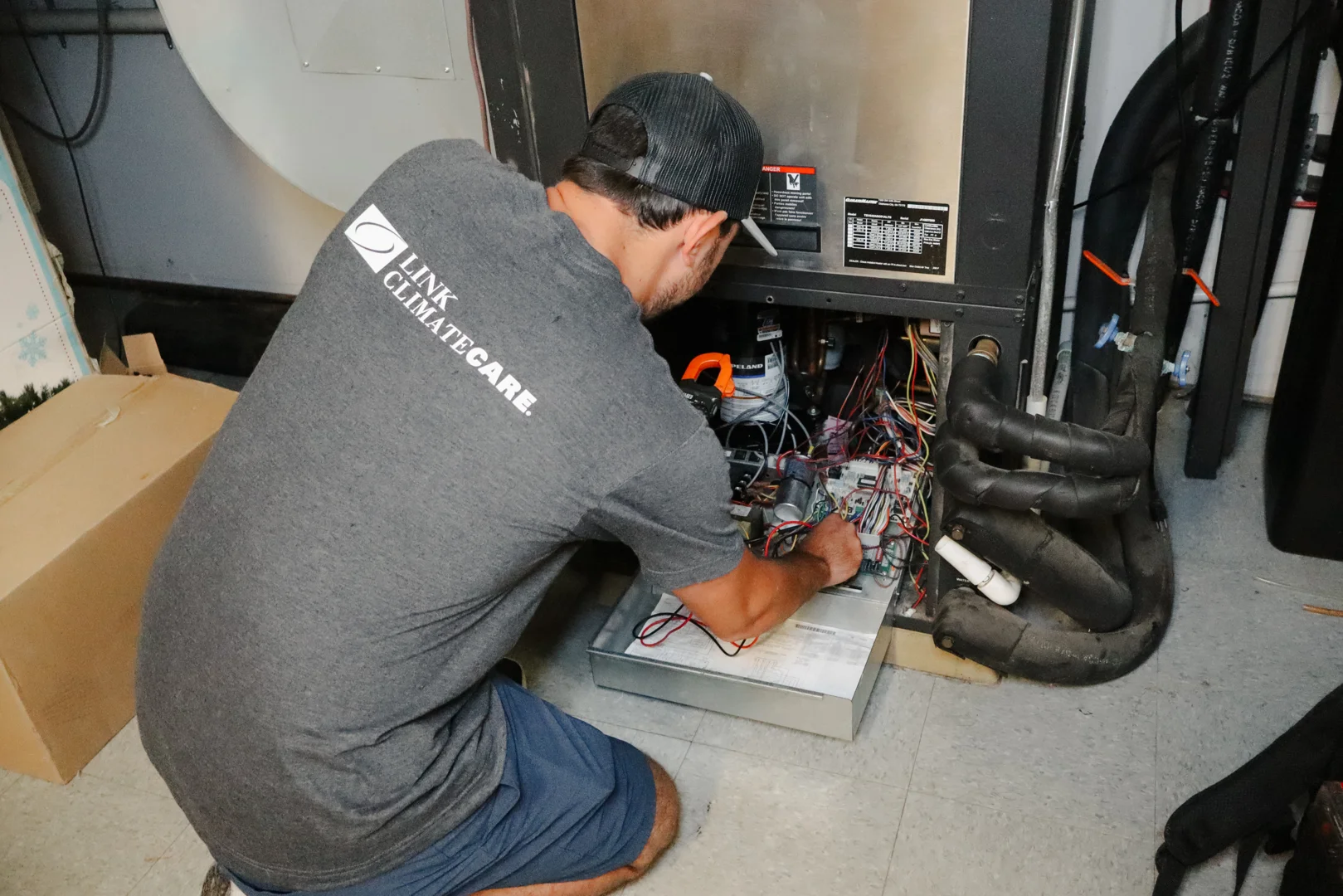
A whole-home humidifier is usually installed at your furnace or on the ductwork that carries warm air through your home. Water is supplied to the unit, and moisture is added to the airflow as your heating system runs. The warm, humidified air then travels through the ducts and out of the vents into each room, which is why the comfort is so even.
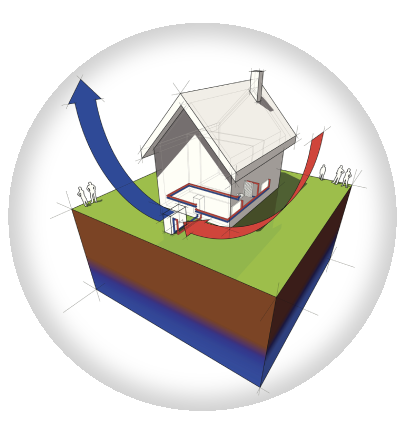
A few pieces work together:
- The furnace connection: The humidifier relies on the heating system's airflow to carry moisture through the house.
- Ductwork: Your existing ducts act as the delivery network, so no extra pipes or portable units are needed in living spaces.
- Humidity controls: A control senses the moisture level and tells the humidifier when to add more or stop, helping you avoid overshooting.
- Even distribution: Moisture reaches bedrooms, hallways and living areas alike, instead of collecting in one spot.
Proper setup matters. The humidity level should be balanced against outdoor temperature, because too much moisture on a very cold day can cause condensation on windows. This is exactly why we recommend professional installation and setup rather than guesswork. Our guide to getting the most out of your humidifier covers the comfort benefits in more detail.
Choosing a Whole-Home Humidifier for Your Home
How a whole-home humidifier addresses dry-air concerns
In our region, heating season is when dry air shows up most, so a humidifier is the more common need for homes here from fall through spring. Dampness can still appear in basements and crawl spaces, and moisture rises through a house, so it is worth paying attention to both. A home can even swing between the two problems across the year.
New construction adds another wrinkle. Homes that have just been built hold leftover construction moisture, which can linger for a couple of heating seasons. A newer home may feel damp at first and then turn dry once that moisture has cleared. That is one more reason to have the air tested before choosing equipment, and to reassess as the house settles.
Air sealing also plays a role. A tight home holds on to whatever humidity level it has, whether high or low, while a leakier home swaps indoor air for outdoor air more freely. Your humidity needs depend on how your particular house behaves, not just its size.
Professional assessment, care, and next steps
Before you choose, a professional can check how a humidifier will work with your existing heating system. Compatibility with your furnace, the condition and layout of your ductwork, and the size of your home all affect which unit is the right fit. Checking these details up front helps avoid mismatched equipment and uneven results.
Once it is installed, a whole-home humidifier needs regular care to keep performing well. Water pads or other components need attention on a routine schedule, and minerals from the water supply can build up over time. Our humidifier maintenance service keeps the unit clean and working, and our humidifier repairs team can diagnose a unit that is not performing as it should. Learn more about whole-home humidifier care and how it fits into a yearly routine. Our wider maintenance plans help your heating system and humidifier work as a team.
If you are also thinking about overall air quality, our air purification options and information on the HEPA filter can complement good humidity control. You can also read about 13 common indoor air pollutants and how to manage them.
Conclusion
Comfortable air starts with matching the solution to the problem. Dry winter air calls for a humidifier, while a damp, musty home needs moisture control instead. With the right assessment, you avoid buying equipment that works against you.
We are a locally owned team serving Beaverton, Lindsay, Peterborough and the Kawartha Lakes, and we stand behind our work with a 100% satisfaction guarantee. Contact Link ClimateCare for help choosing a suitable whole-home humidifier for your home.